


Cognitave Releases the CRE-RF I & II Video Lecture Series: A New Engineering Methodology for RF and Microwave Systems
Cognitave and Maxdi Research have released the complete CRE-RF I & II video lecture series, a 20-chapter graduate RF/microwave engineering program spanning typed representations, electromagnetic fields, ports, S-parameters, deformation dynamics, robustness, recoverability, radar, EDFS execution, MXD-COGN inference, and adaptive systems.

Trader-Centered Inference Flow: Human-Market Co-Evolution in Event-Driven Financial Systems
Trader-Centered Inference Flow extends Finance EDDA by treating the market, portfolio, trader state, strategy memory, and operating environment as parts of a coupled evolving system. This reduced-disclosure research note introduces an institutional framework for studying human–algorithm co-cognition under event-driven market stress.

External Inference Fibers: Extending Finance EDDA Across Geopolitical and Macroeconomic Boundaries
Financial systems do not evolve in isolation. External Inference Fibers provide a way to preserve independently evolving geopolitical, macroeconomic, and market states while coupling their financially relevant effects into equity analysis through explicit, state-dependent transmission pathways.
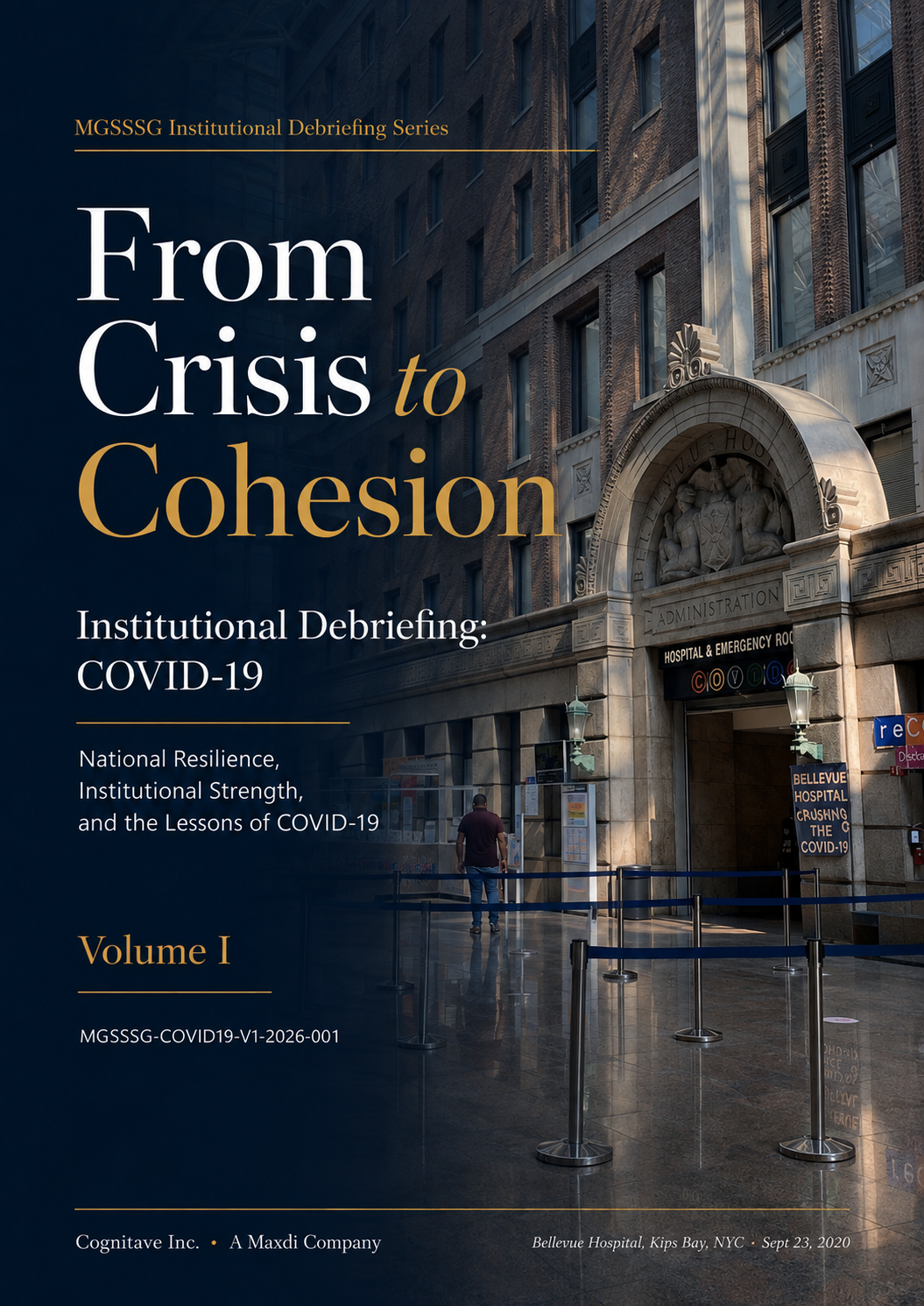
From Crisis to Cohesion —National Resilience, Institutional Strength, and the Lessons of COVID-19
COVID-19 tested public health, government, science, enterprise, law, media, and civil society simultaneously. From Crisis to Cohesion examines how emergency conditions accelerated innovation, exposed institutional weaknesses, and demonstrated the capacity of a nation to adapt under extraordinary pressure.
The MGSSSG Executive White Paper traces key decisions, scientific breakthroughs, public debates, economic disruptions, and institutional responses across the pandemic period. It also introduces the Institutional Stability Engine (ISE)—a mixed-domain, mixed-depth framework for assessing institutional resilience, national cohesion, strategic risk, and long-term stability.
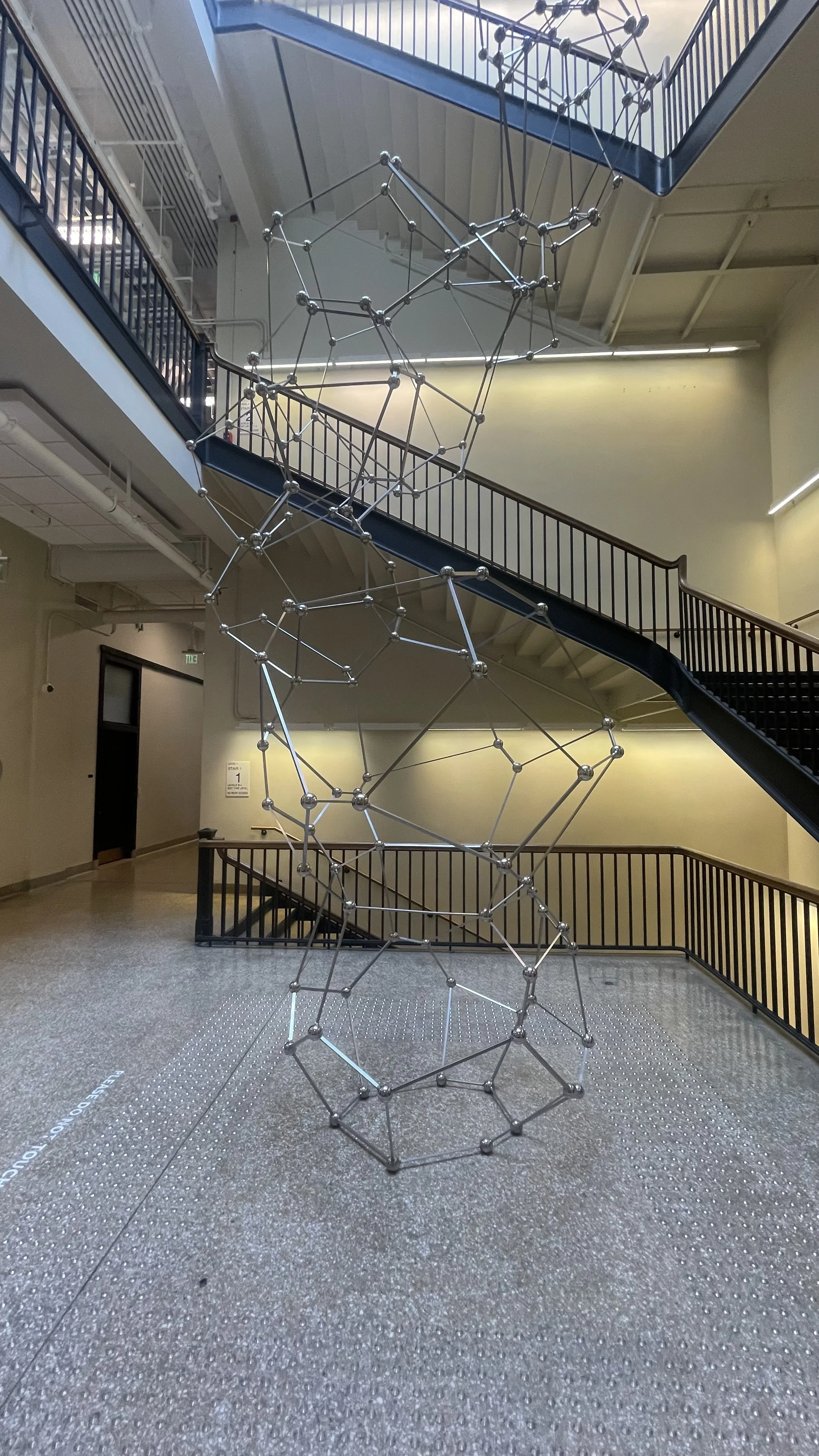
SpaceX Goes Public: A Systems Engineering Perspective on One of the Most Anticipated IPOs in Modern History
Can a stock be analyzed the same way engineers analyze complex systems? Using SpaceX’s highly anticipated IPO as a case study, this article explores a graph-native approach to market analysis that connects operational milestones, institutional ownership, valuation, market sentiment, and macroeconomic events into a unified systems framework. Accompanied by a six-page technical paper, it offers an inside look at Finance EDFS—the financial analysis edition of Maxdi’s Electronics Design Flow Studio—and introduces a new way of visualizing how markets evolve through interacting forces rather than isolated indicators.

Introducing VEXOY: A New Paradigm for Mobility and Investment
We are proud to announce the official launch of VEXOY—a Maxdi Inc venture that is redefining premium interstate travel while introducing a fixed-income investment opportunity. VEXOY serves as an integrator, connecting top-rated Uber Pro drivers (4.95+ Diamond) with sponsorships and employment pathways, creating a sustainable ecosystem for both travelers and investors . Operating across the Northeast corridor, VEXOY offers premium routes from Boston to NYC, regional airports, and beyond, all supported by the MXD (Multi-disciplinary Experience Design) framework and Cognitave Inc’s technology. Whether you are seeking reliable, high-quality transportation or exploring a structured investment vehicle with defined returns, VEXOY represents a new standard in mobility and financial engineering.
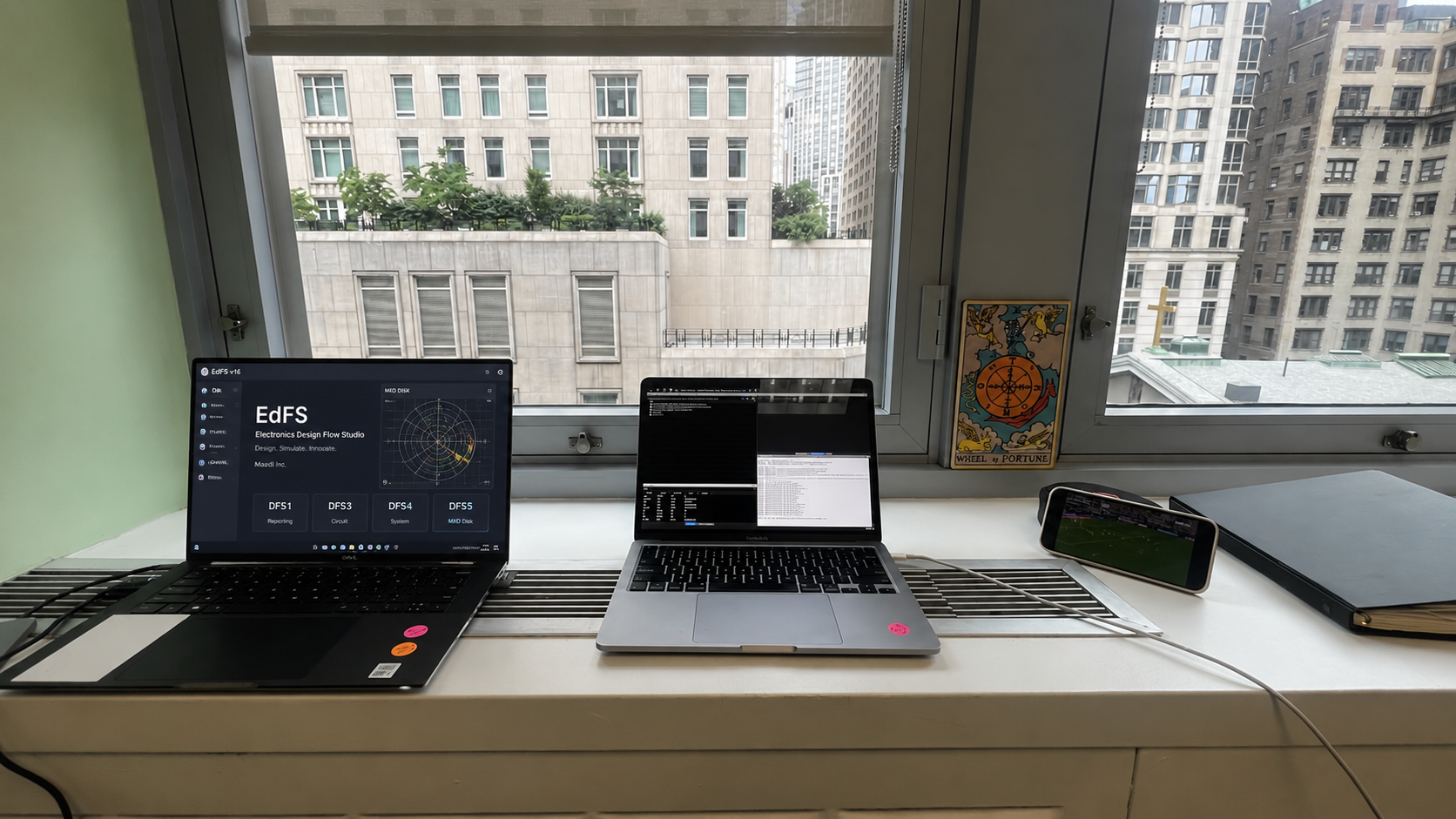
Maxdi Inc. Announces New Engineering Office in Lower Manhattan
Maxdi Inc. has established a new engineering office in Lower Manhattan to support its expanding work in aerospace, RF engineering, satellite communications, and advanced software development. The new office provides a secure environment for engineering simulations and collaborative research while supporting ongoing reflectarray antenna development for next-generation LEO satellite systems and the pilot deployment of Maxdi's Electronics Design Flow Studio (EDFS).
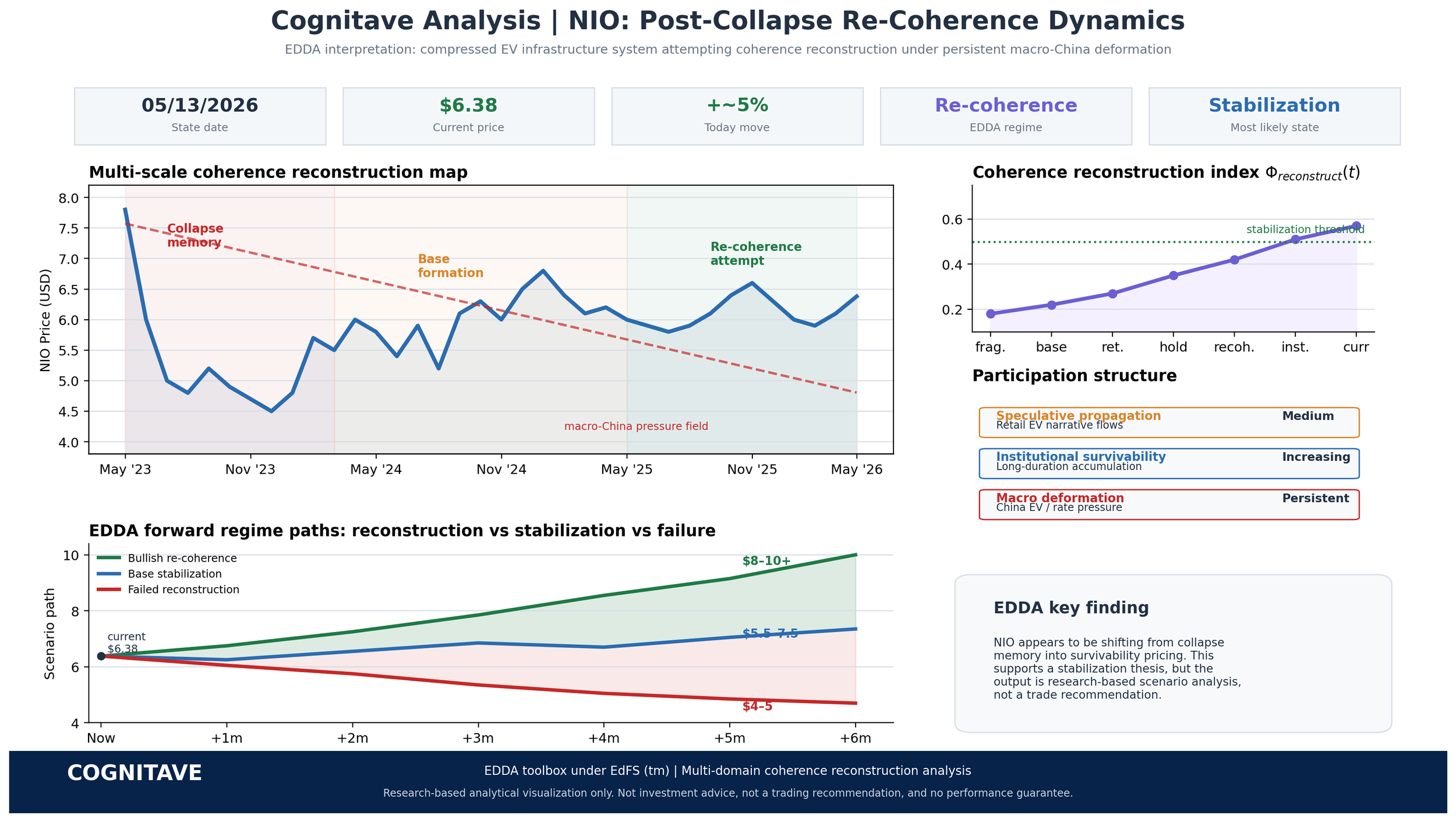
Introducing EDDA: A Multi-Domain Coherence Inference Engine for Nonlinear Markets
Financial markets are increasingly shaped by interacting systems involving geopolitics, AI infrastructure, sovereign technology policy, liquidity topology, and narrative propagation. Conventional financial frameworks often struggle under these nonlinear conditions because they treat markets as collections of weakly coupled variables rather than interacting deformation fields.
EDDA (Emergent Domain Deformation Analysis), developed under the EDFS architecture, introduces a mixed-domain mixed-depth cognition framework where markets are modeled through coherence operators, survivability dynamics, and graph-native state interactions. The framework attempts to move beyond isolated technical or macro analysis toward a unified institutional market cognition system capable of interpreting structural regime transitions across coupled financial domains.

A SoHo Term Sheet Case Study: Commercial Real Estate, Partnership Structuring, and Strategic Litigation Management
Abstract
This Article examines the interaction between procedural law and economic outcomes in commercial litigation through a case study of a pandemic-era real estate dispute in SoHo, New York. It focuses on how corporate representation requirements under New York Civil Practice Law and Rules § 321(a), combined with the structural limitations of small and commercial claims courts, create a gap between legal rights and practical enforceability.
Using a dual-track litigation strategy involving both commercial claims proceedings and civil court litigation, this study demonstrates how closely held corporations must navigate procedural constraints that can significantly affect access to adjudication. The case highlights how settlement outcomes may reflect rational responses to institutional cost structures rather than underlying legal merit.
The Article contributes to scholarship on access to justice, procedural design, and the economic dynamics of litigation in urban commercial contexts.

412WB Project : Building Maxdi During the COVID Era
Between April 2021 and April 2023, Maxdi Inc. built Project 412WB at 412 West Broadway in SoHo, New York City: a commercial gallery, research environment, and entrepreneurial platform developed during the COVID-era business crisis. The project brought together art, technology, digital displays, business development, and early concepts that later informed MXD-COGN, Cognitave, and EDFS.
Project 412WB also explored emerging digital ownership models through NFT and cryptocurrency-based auction experiments, including a collaboration with Gaia Leon involving cactus-based organic leather handbags paired with blockchain-based provenance. Maxdi Inc. further commissioned Sensing Places to develop Presentize, a software platform for NFT minting, secure storage, and rendering—an early step toward the future of digital asset management.
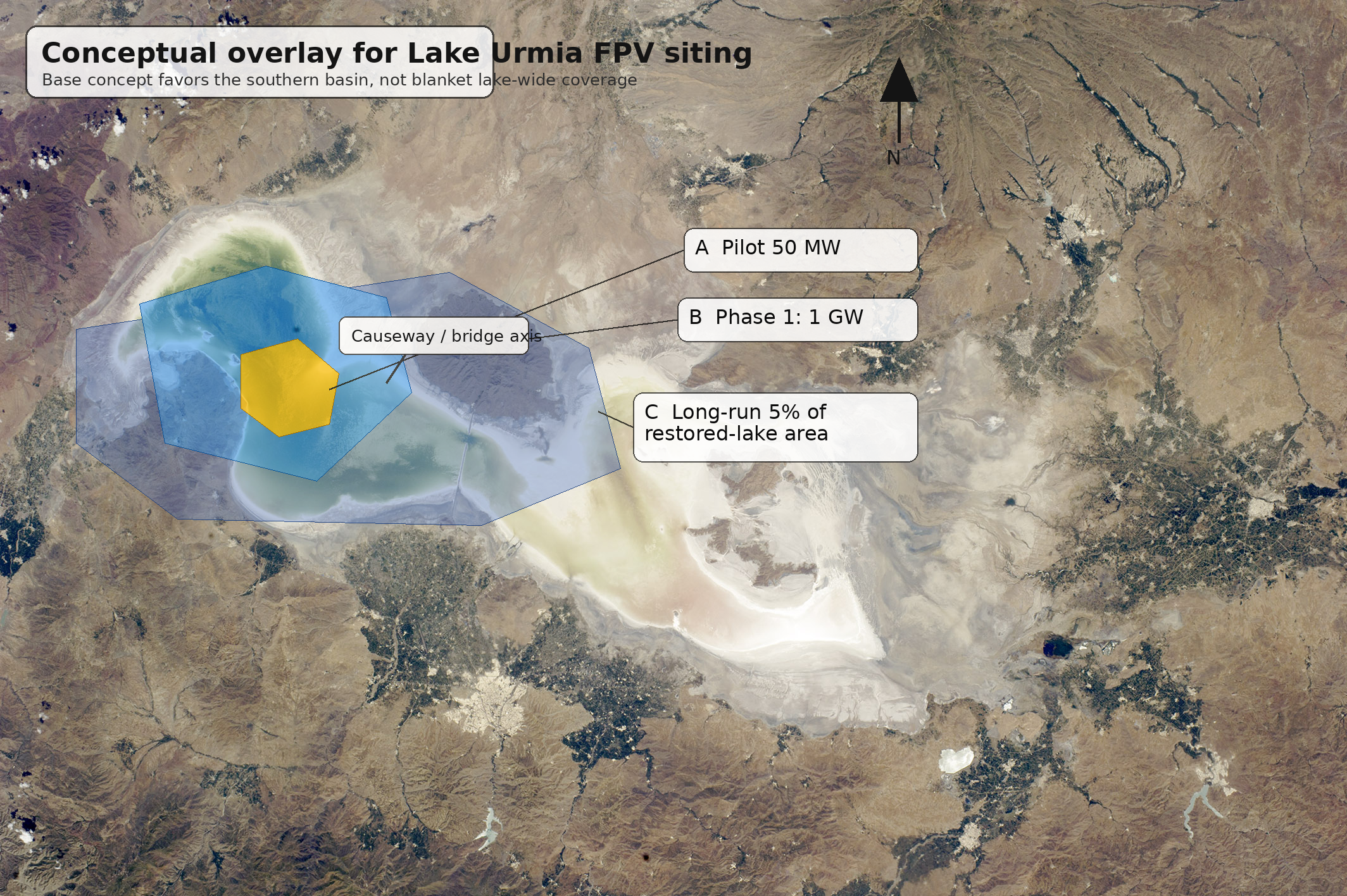
Saving Lake Urmia: Water, Power, and Regional Resilience
Lake Urmia is losing vast amounts of water each year—not primarily due to lack of inflow, but because of extreme evaporation. This project introduces a scalable, engineering-driven solution: floating solar systems that simultaneously reduce evaporation by up to 50–60% in covered zones while generating up to 22 TWh of clean energy annually. Over a decade, this approach can preserve up to 1.8 billion cubic meters of water, transforming Lake Urmia from an environmental crisis into a resilient water-energy asset for West Azerbaijan and the broader region.
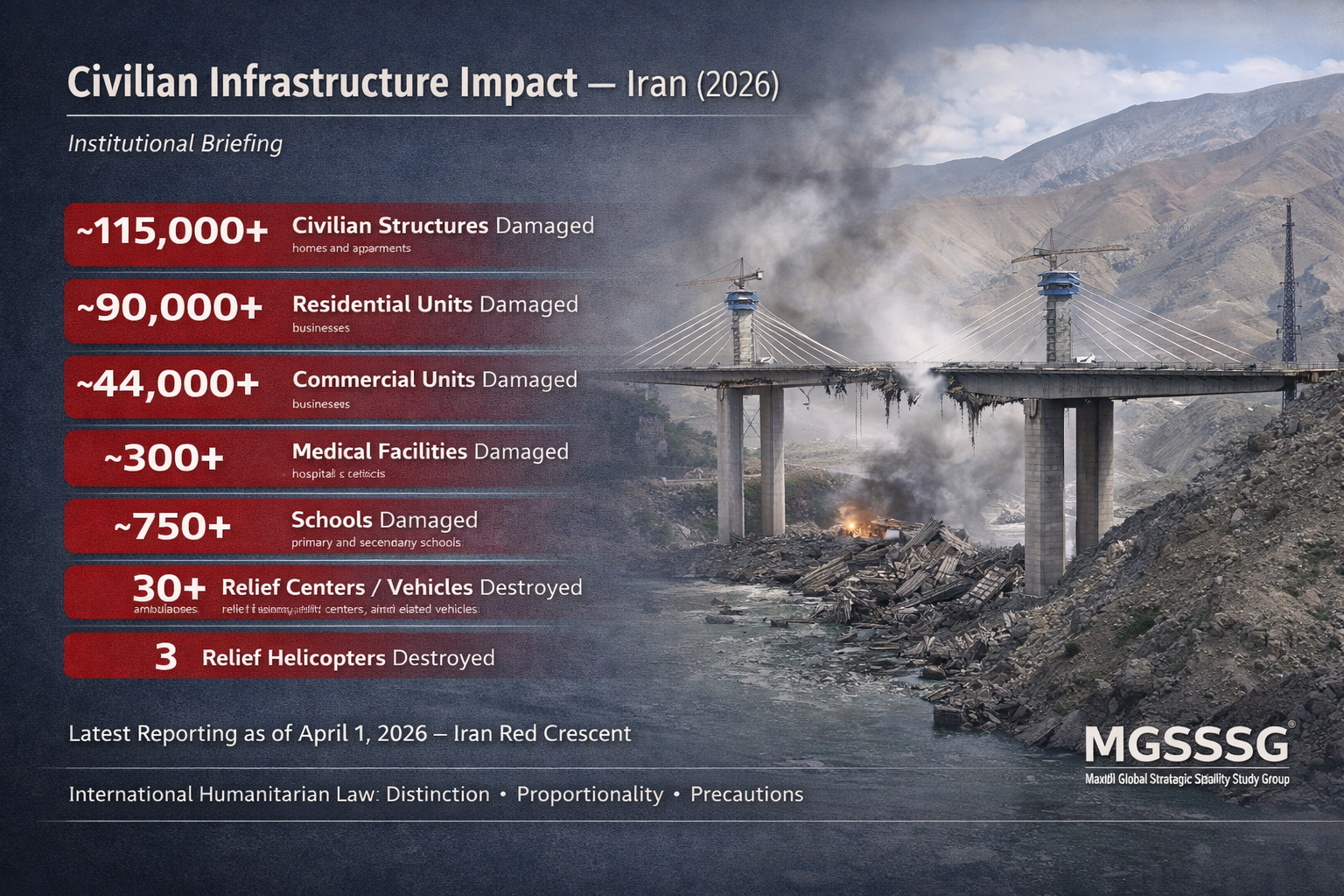
Civilian Infrastructure, Legal Risk, and Professional Responsibility in the 2026 Iran Conflict
An institutional analysis of reported strikes on civilian infrastructure in Iran since February 2026, examining legal implications under international humanitarian law and providing guidance for professionals navigating contractual, compliance, and ethical risks in an evolving conflict environment.
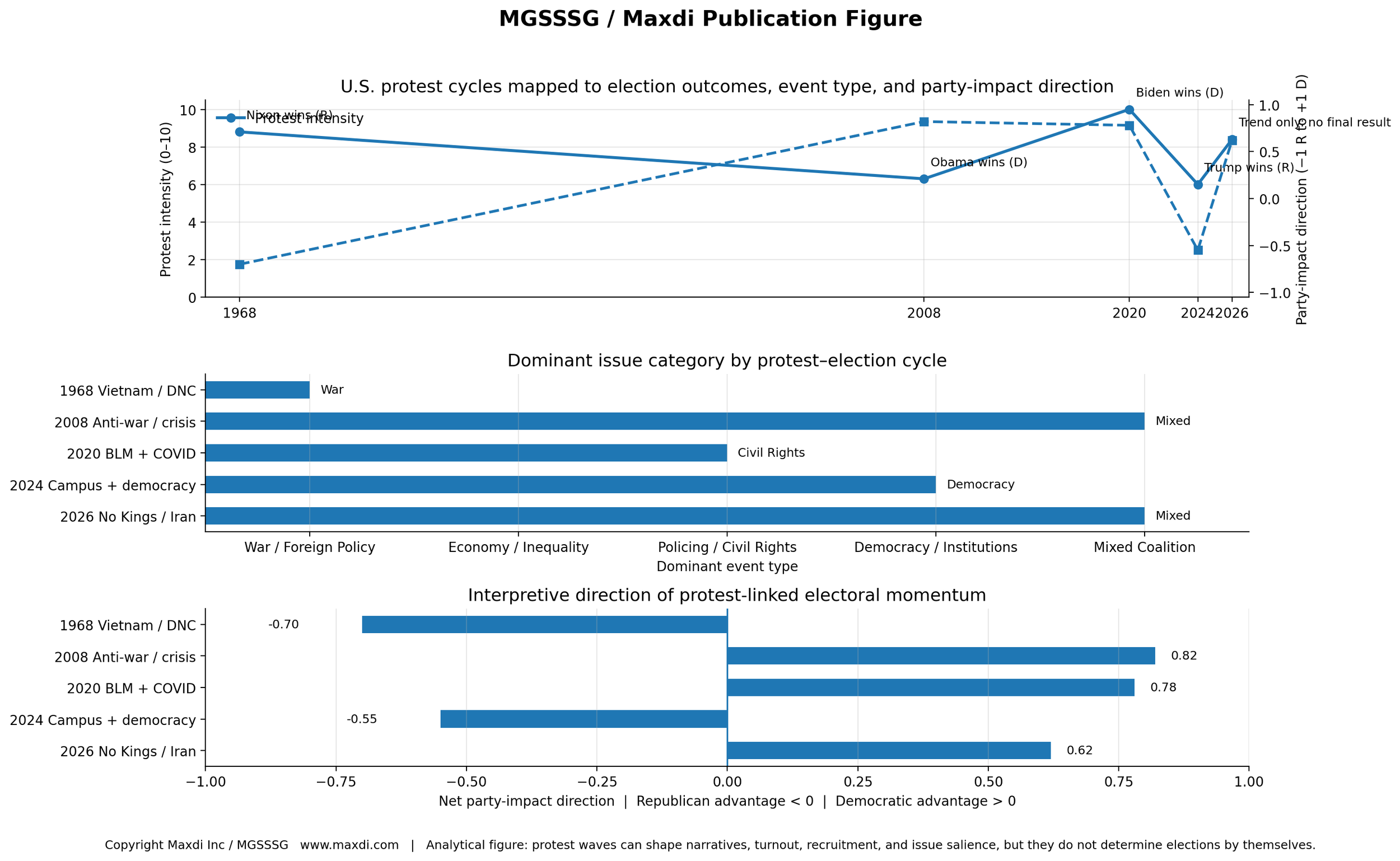
Engineering Political Systems as Inference Graphs
This article applies the MXD-COGN inference framework to modern political systems, modeling governance, media, public perception, and protest as a coupled executable graph. Using coherence (Φ) as a global order parameter and an active inference lens, we show how crises propagate across domains, degrade system stability, and ultimately drive electoral phase transitions. The result is a structural, engineering-grade perspective on political dynamics under stress.
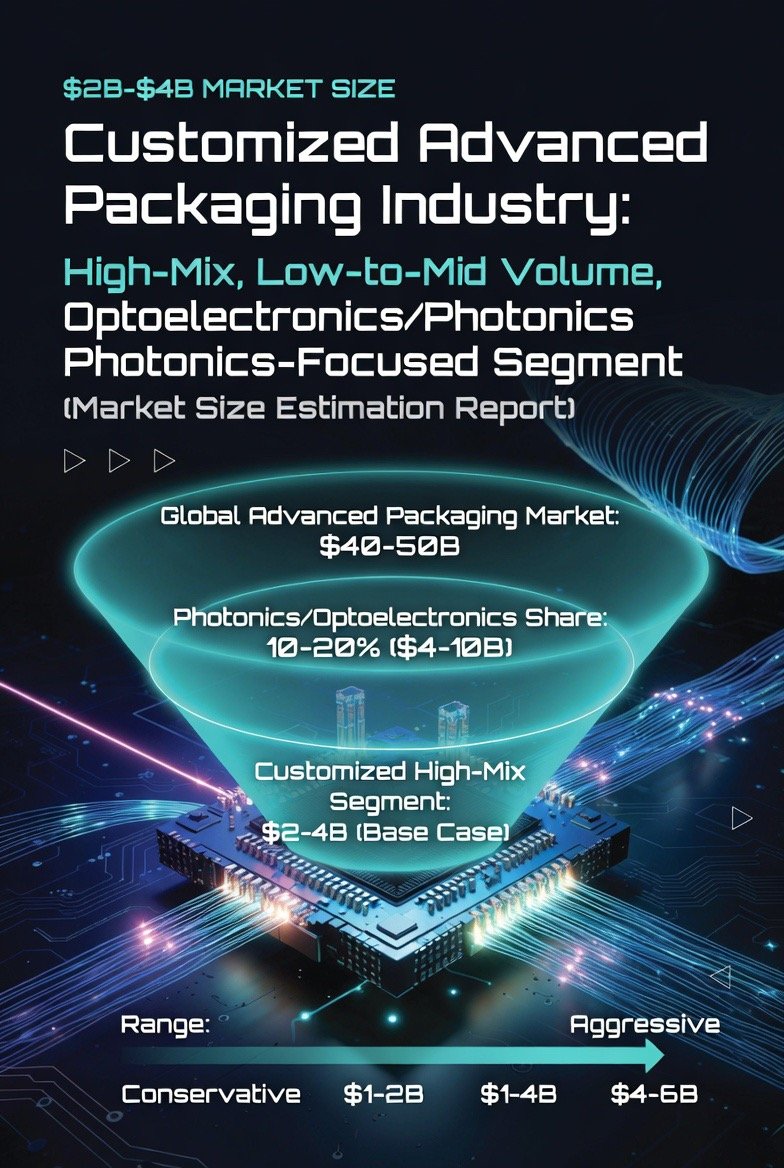
Customized Advanced Packaging Industry High-Mix, Low-to-Mid Volume, Optoelectronics/Photonics
The segment is defined by high engineering content, tight optical alignment tolerances, parasitic management challenges, and moderate production volumes with premium pricing — exactly the environment where silicon photonics, AI/HPC optical interconnects, co-packaged optics, and next-generation sensing applications thrive.
Growth is accelerating. We project a CAGR of 18–22% through 2030, driven by the scaling needs of hyperscale data centers, automotive LiDAR integration, defense photonics, and the broader shift toward heterogeneous integration where standard high-volume packaging simply cannot meet performance or customization requirements.
This niche may be fragmented and definition-sensitive, but it is also one of the highest-value and fastest-growing pockets within the entire advanced packaging ecosystem.
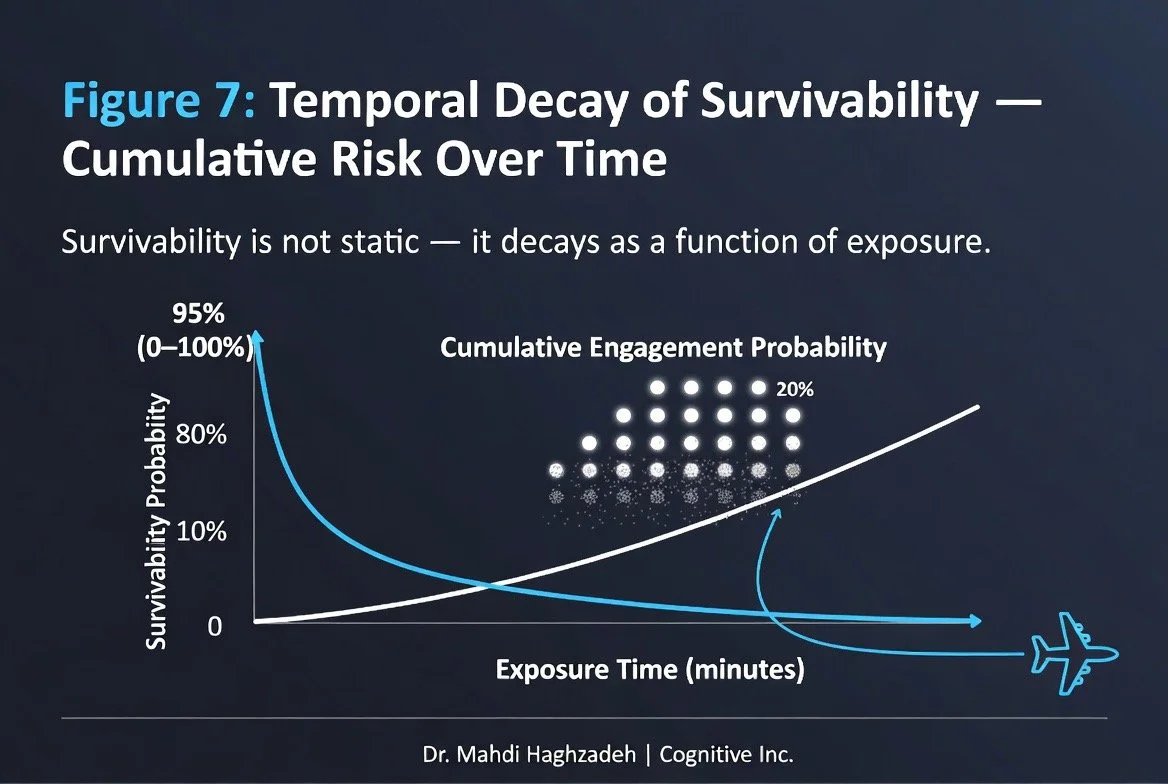
Integrated Air Defense Systems Under Absolute Uncertainty (عدم قطع مطلق): A System-Level Interpretation of Modern Defense Architectures
A system-level MGSSSG analysis of how modern air defense operates under absolute uncertainty (عدم قطع مطلق), emphasizing probabilistic sensing, distributed networks, and strategic cost-imposition dynamics.
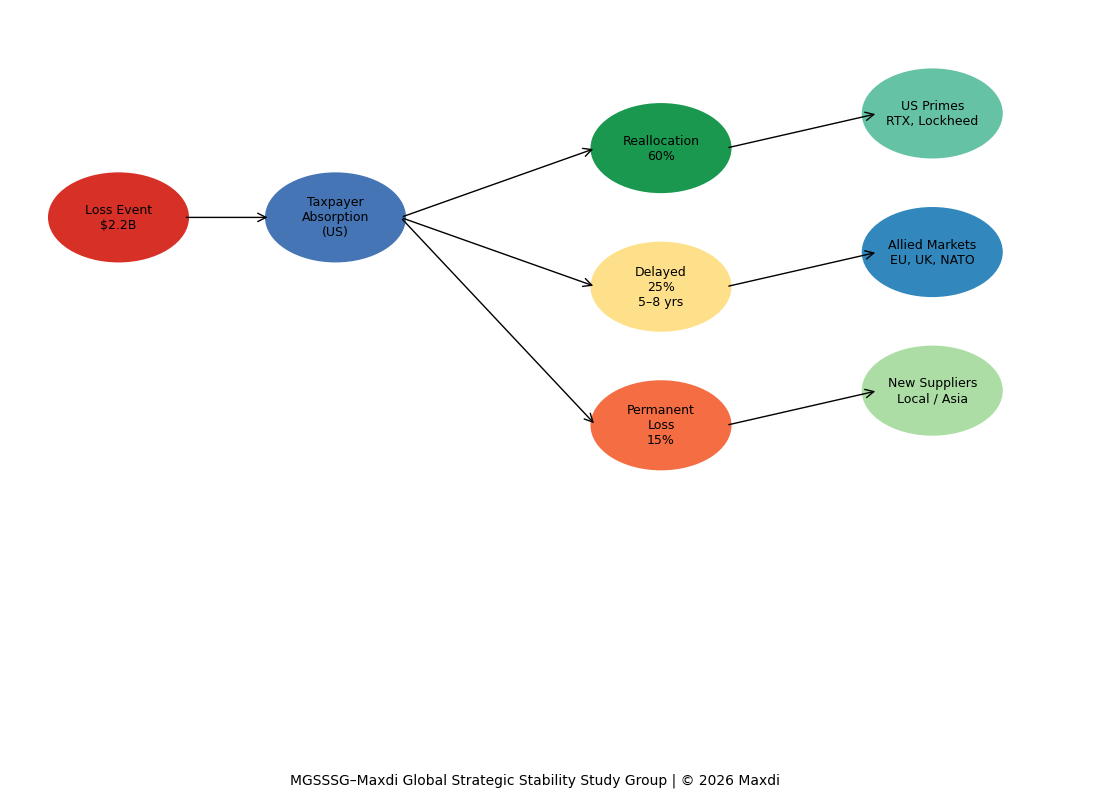
Defense Economics Model: Taxpayer Absorption & Leakage
A quantitative analysis of defense sector economics demonstrating that losses are not recycled in a closed loop, but instead follow a model of taxpayer absorption, partial reallocation, delayed replacement, and permanent loss. Using data including approximately $2.2B in immediate loss concentration, 5–8 year replacement timelines, and structural leakage dynamics, this study reframes how spending, capability restoration, and market shifts should be understood in modern defense systems.
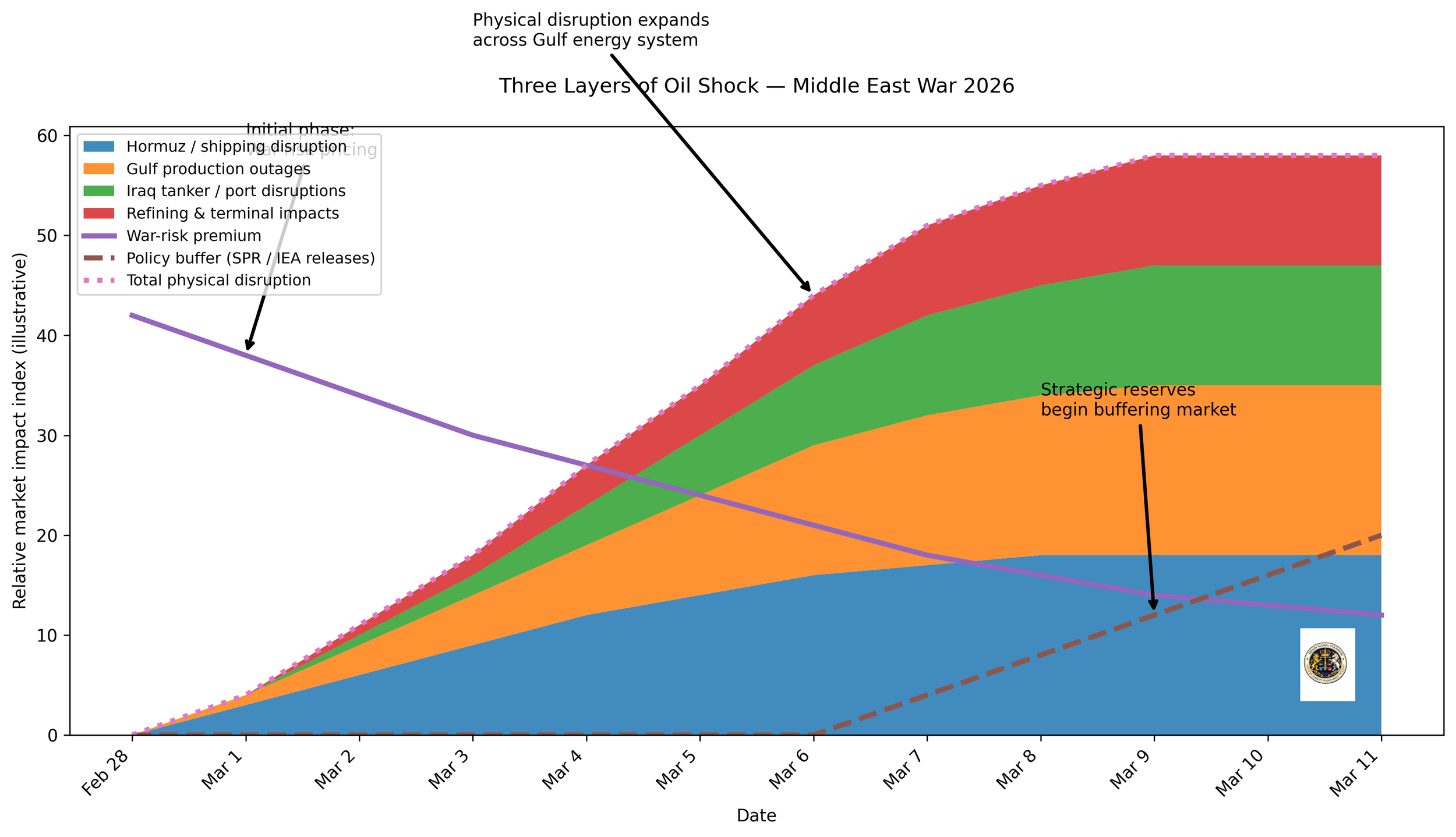
8 Figures That Visualize the Oil Shock of the 2026 Persian Gulf War
The 2026 conflict in the Persian Gulf has exposed structural vulnerabilities in the global energy system centered on the Strait of Hormuz. Nearly one fifth of global oil trade moves through this corridor, making it one of the most critical chokepoints in the world economy. This analysis uses eight figures to visualize how disruptions to Gulf production, tanker routes, and export infrastructure propagate through oil prices, inflation, and global financial conditions.
The Middle East War of 2026: A Coherence Stress Event in the Global Energy System
The Middle East War of 2026 is not a localized military confrontation. It is a stress event within the global energy system. Roughly one-fifth of globally traded crude oil moves through a region now under active military pressure. When that scale of throughput intersects with refinery vulnerability, asymmetric defense economics, and legislative contestation in Washington, the risk becomes systemic rather than episodic.
Markets are not pricing only missiles. They are pricing duration, governance clarity, and the sustainability of defense economics under saturation conditions. The decisive variable is not the opening strike. It is whether energy disruption, fiscal strain, and political uncertainty activate simultaneously. That is when volatility becomes structural.
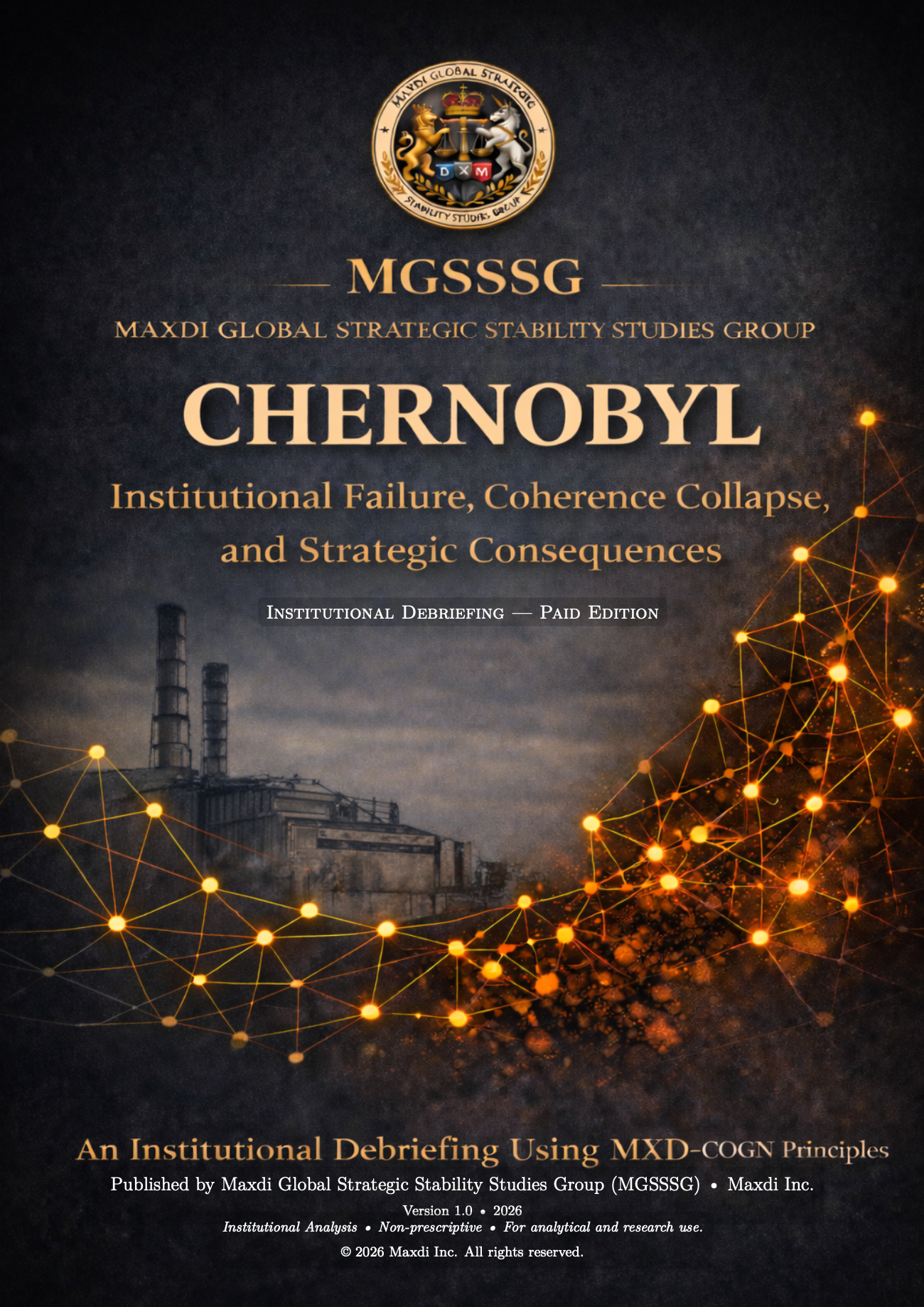
CHERNOBYL: Institutional Failure, Coherence Collapse, and Strategic Consequences
Chernobyl is often remembered as a reactor failure. In reality, it was a collapse of institutional coherence—where procedures, authority, and information failed faster than systems could adapt.
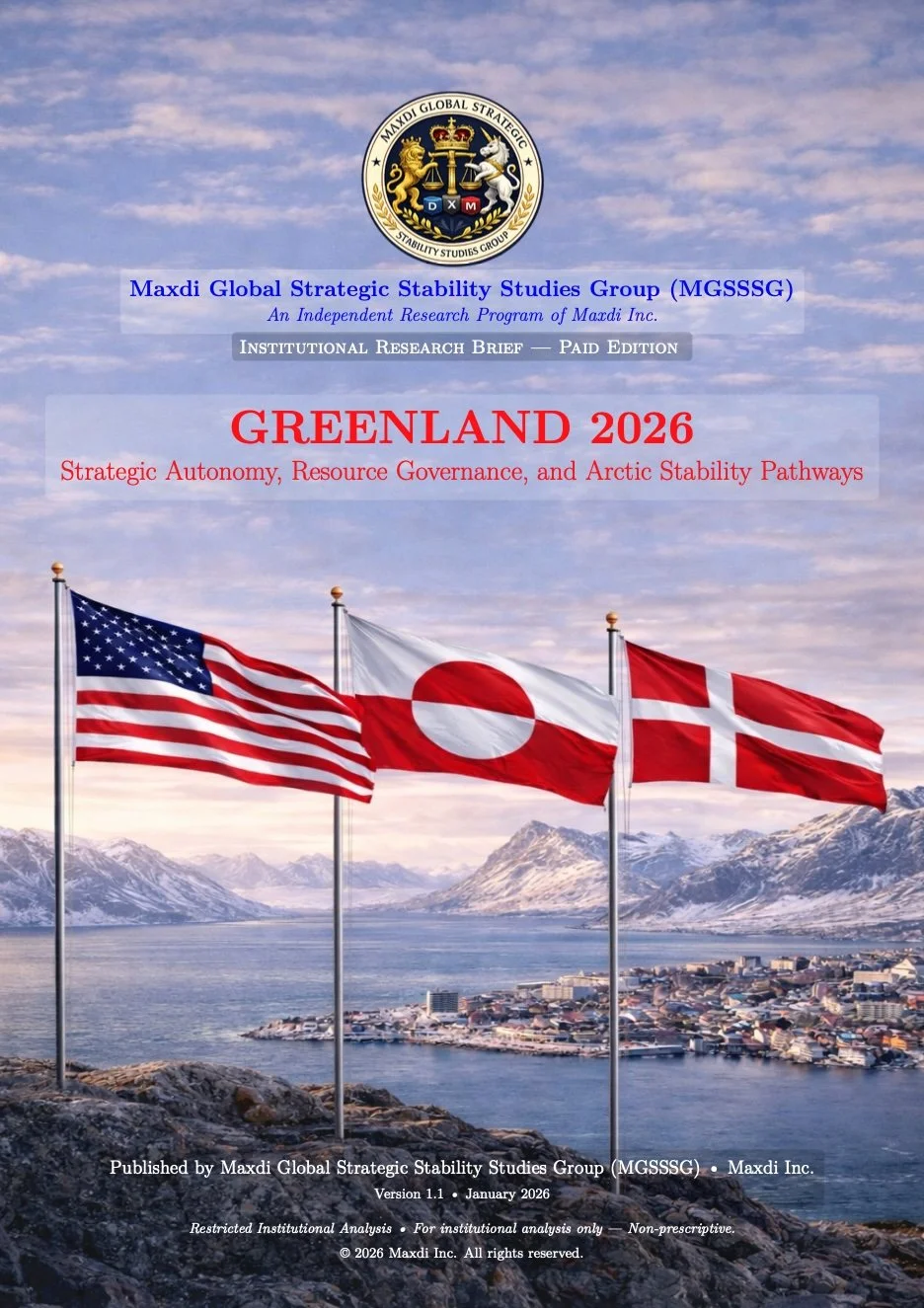
Greenland 2026: Strategic Stability in a Constrained Arctic Governance Environment
Greenland is often discussed through the lens of Arctic competition, but its strategic future is better understood as a question of long-term stability under institutional constraint. A new MGSSSG report applies coherence-engineering to map Greenland’s plausible strategic pathways without crisis assumptions.
Services: Simulation modeling analysis of electronics devices and systems.
Development: integration of hardware and software for RF/MW, Radar, telecommunications, quantum computing and photonics.
SW Products: EdFS — Electronics Design-flow Studio for Graph-native execution (ports + edges + topo sort), RF/MW + inference co-simulation, MXD Disk (inference-space analogue of Smith chart), Deterministic regression and baseline blessing and Offline-first, air-gapped friendly.
https://www.linkedin.com/company/maxdi-inc
https://www.linkedin.com/company/81940186
https://maxdi.com
https://cognitave.com
https://www.LinkedIn.com/in/maxdi
https://v3xoy.com
emails: >> mxd@maxdi.com | art@maxdi.com | law@maxdi.com | tex@cognitave.com | mxdvxoy@gmail.com