

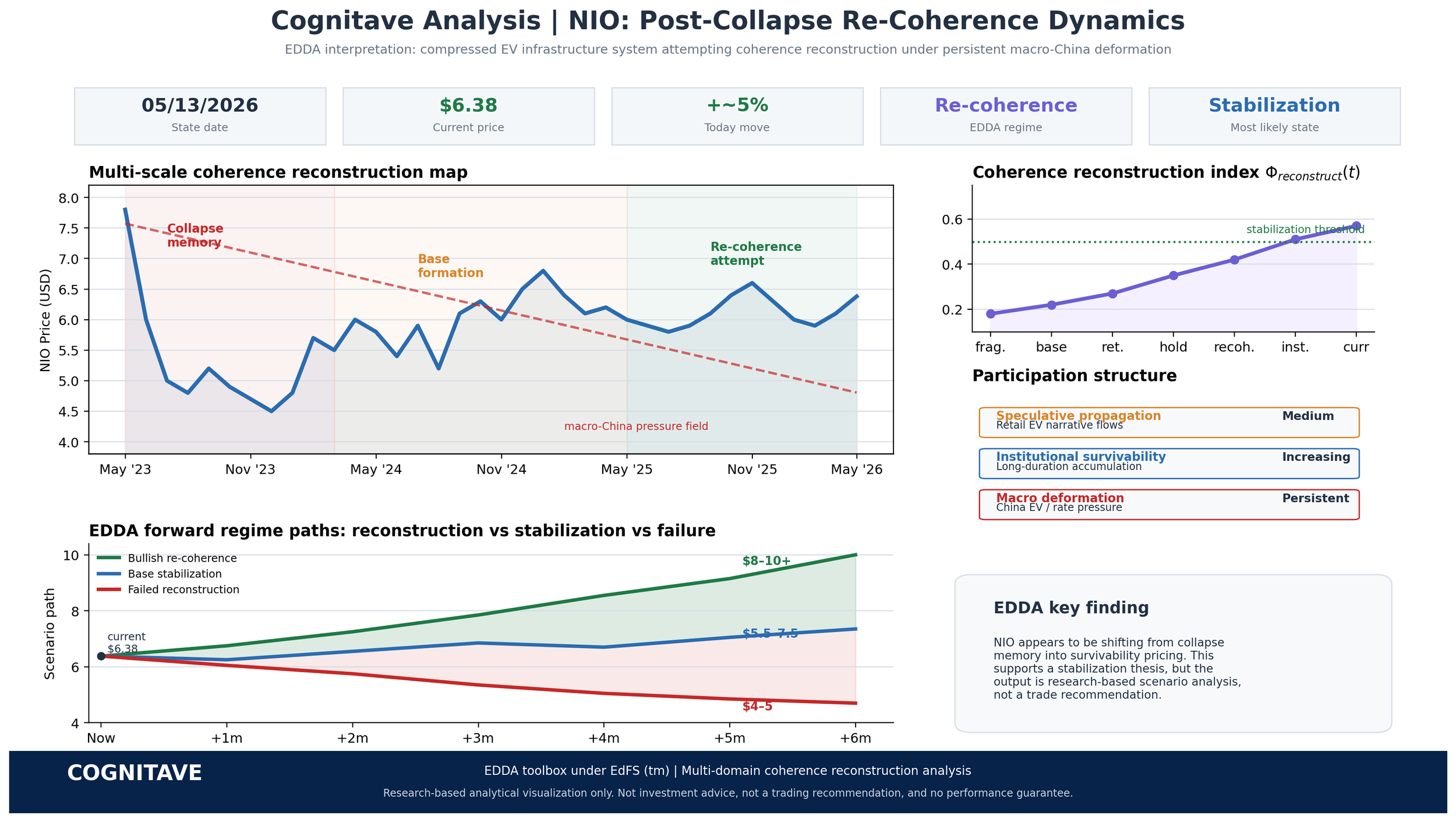
Introducing EDDA: A Multi-Domain Coherence Inference Engine for Nonlinear Markets
Financial markets are increasingly shaped by interacting systems involving geopolitics, AI infrastructure, sovereign technology policy, liquidity topology, and narrative propagation. Conventional financial frameworks often struggle under these nonlinear conditions because they treat markets as collections of weakly coupled variables rather than interacting deformation fields.
EDDA (Emergent Domain Deformation Analysis), developed under the EDFS architecture, introduces a mixed-domain mixed-depth cognition framework where markets are modeled through coherence operators, survivability dynamics, and graph-native state interactions. The framework attempts to move beyond isolated technical or macro analysis toward a unified institutional market cognition system capable of interpreting structural regime transitions across coupled financial domains.

413
Abstract
This Article examines the interaction between procedural law and economic outcomes in commercial litigation through a case study of a pandemic-era real estate dispute in SoHo, New York. It focuses on how corporate representation requirements under New York Civil Practice Law and Rules § 321(a), combined with the structural limitations of small and commercial claims courts, create a gap between legal rights and practical enforceability.
Using a dual-track litigation strategy involving both commercial claims proceedings and civil court litigation, this study demonstrates how closely held corporations must navigate procedural constraints that can significantly affect access to adjudication. The case highlights how settlement outcomes may reflect rational responses to institutional cost structures rather than underlying legal merit.
The Article contributes to scholarship on access to justice, procedural design, and the economic dynamics of litigation in urban commercial contexts.

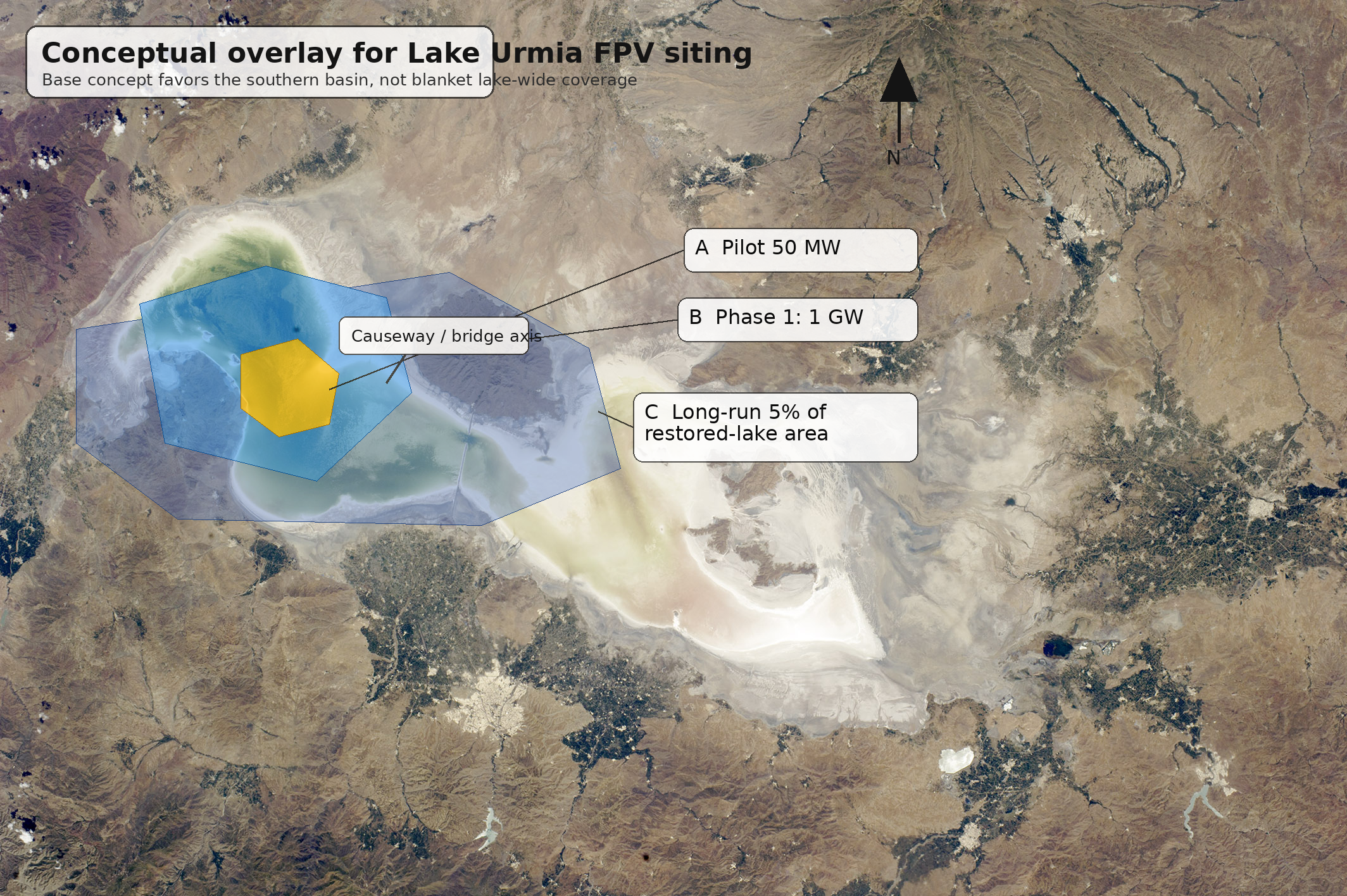
Saving Lake Urmia: Water, Power, and Regional Resilience
Lake Urmia is losing vast amounts of water each year—not primarily due to lack of inflow, but because of extreme evaporation. This project introduces a scalable, engineering-driven solution: floating solar systems that simultaneously reduce evaporation by up to 50–60% in covered zones while generating up to 22 TWh of clean energy annually. Over a decade, this approach can preserve up to 1.8 billion cubic meters of water, transforming Lake Urmia from an environmental crisis into a resilient water-energy asset for West Azerbaijan and the broader region.
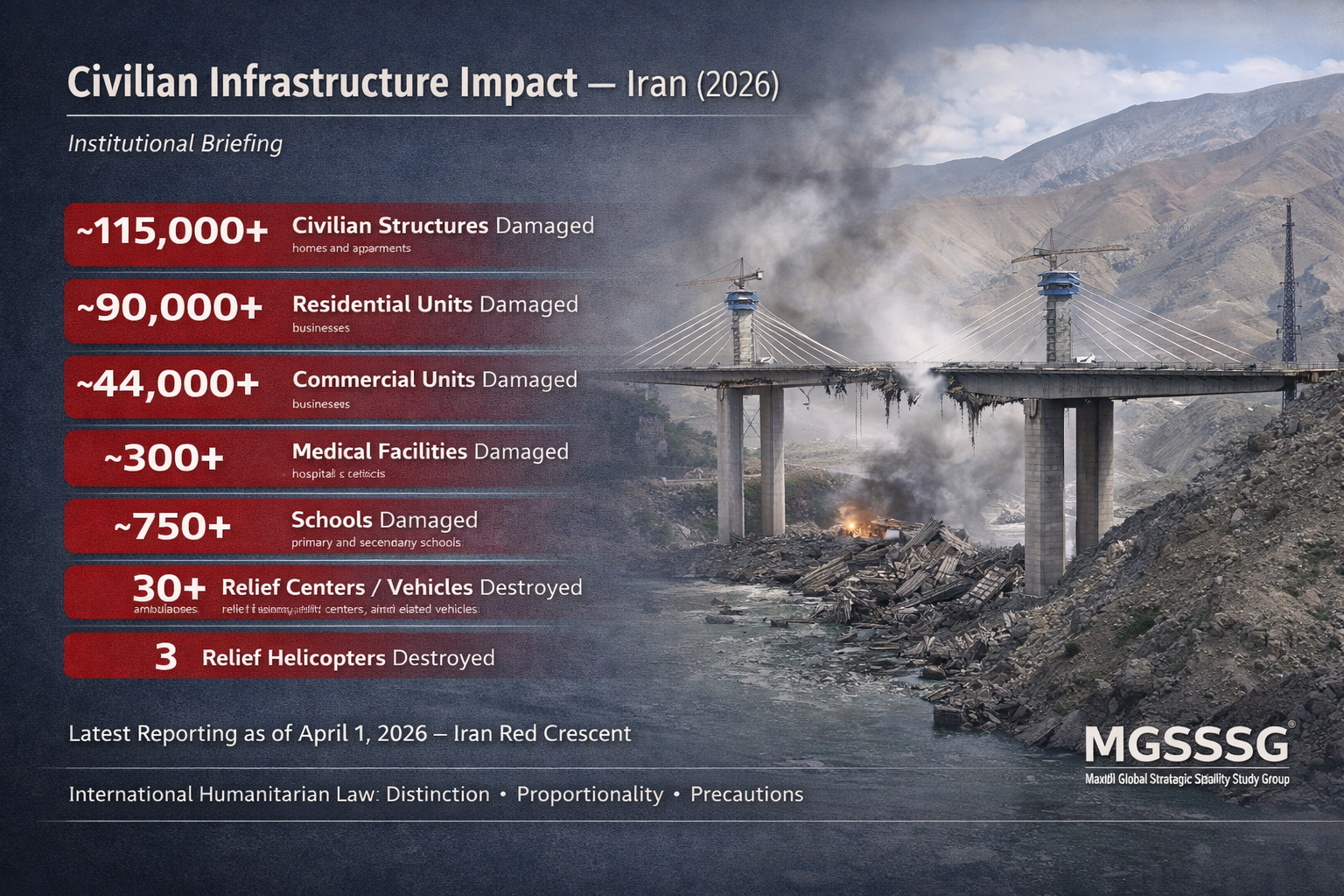
Civilian Infrastructure, Legal Risk, and Professional Responsibility in the 2026 Iran Conflict
An institutional analysis of reported strikes on civilian infrastructure in Iran since February 2026, examining legal implications under international humanitarian law and providing guidance for professionals navigating contractual, compliance, and ethical risks in an evolving conflict environment.
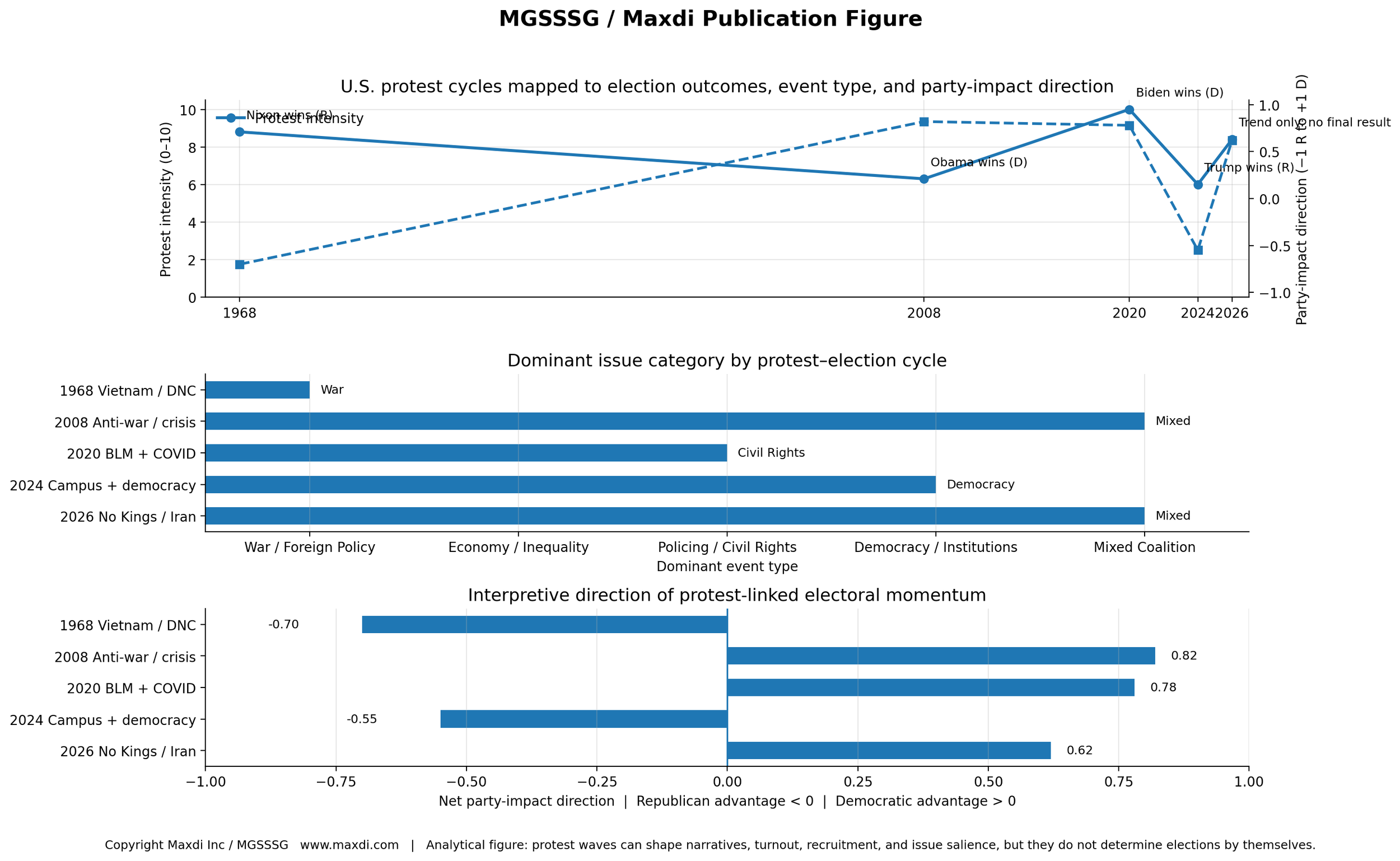
Engineering Political Systems as Inference Graphs
This article applies the MXD-COGN inference framework to modern political systems, modeling governance, media, public perception, and protest as a coupled executable graph. Using coherence (Φ) as a global order parameter and an active inference lens, we show how crises propagate across domains, degrade system stability, and ultimately drive electoral phase transitions. The result is a structural, engineering-grade perspective on political dynamics under stress.

Customized Advanced Packaging Industry High-Mix, Low-to-Mid Volume, Optoelectronics/Photonics
The segment is defined by high engineering content, tight optical alignment tolerances, parasitic management challenges, and moderate production volumes with premium pricing — exactly the environment where silicon photonics, AI/HPC optical interconnects, co-packaged optics, and next-generation sensing applications thrive.
Growth is accelerating. We project a CAGR of 18–22% through 2030, driven by the scaling needs of hyperscale data centers, automotive LiDAR integration, defense photonics, and the broader shift toward heterogeneous integration where standard high-volume packaging simply cannot meet performance or customization requirements.
This niche may be fragmented and definition-sensitive, but it is also one of the highest-value and fastest-growing pockets within the entire advanced packaging ecosystem.
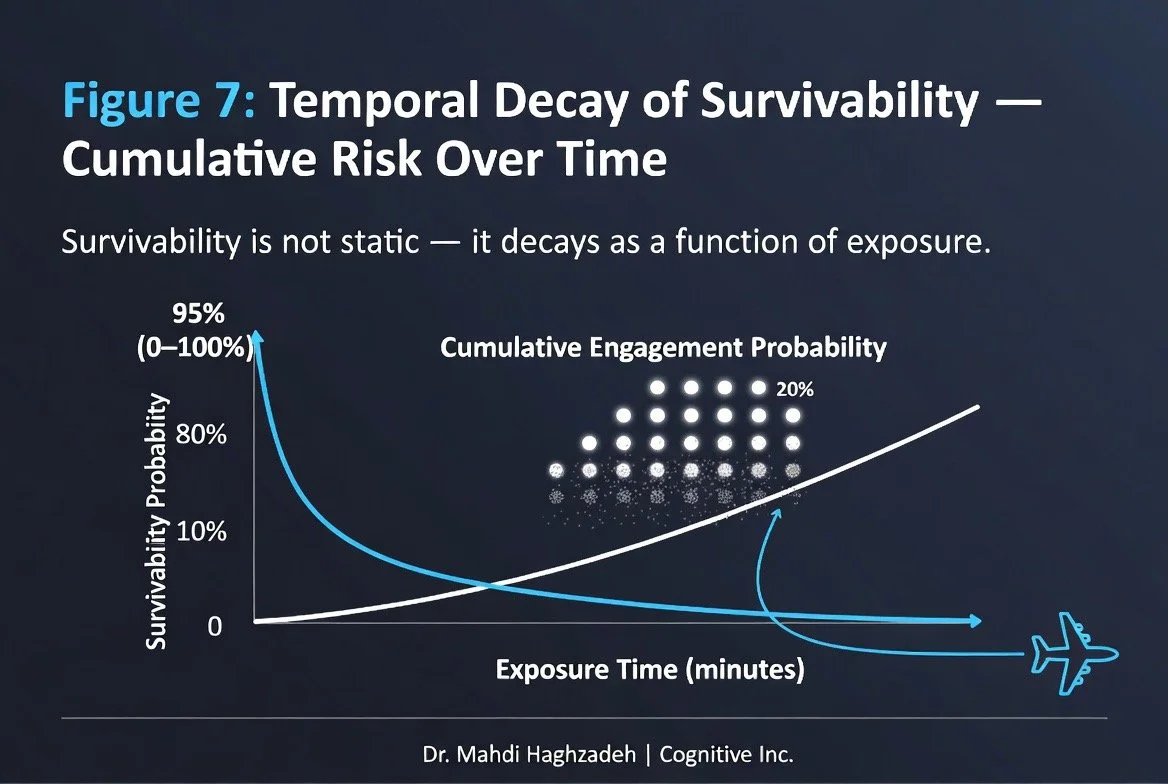
Integrated Air Defense Systems Under Absolute Uncertainty (عدم قطع مطلق): A System-Level Interpretation of Modern Defense Architectures
A system-level MGSSSG analysis of how modern air defense operates under absolute uncertainty (عدم قطع مطلق), emphasizing probabilistic sensing, distributed networks, and strategic cost-imposition dynamics.
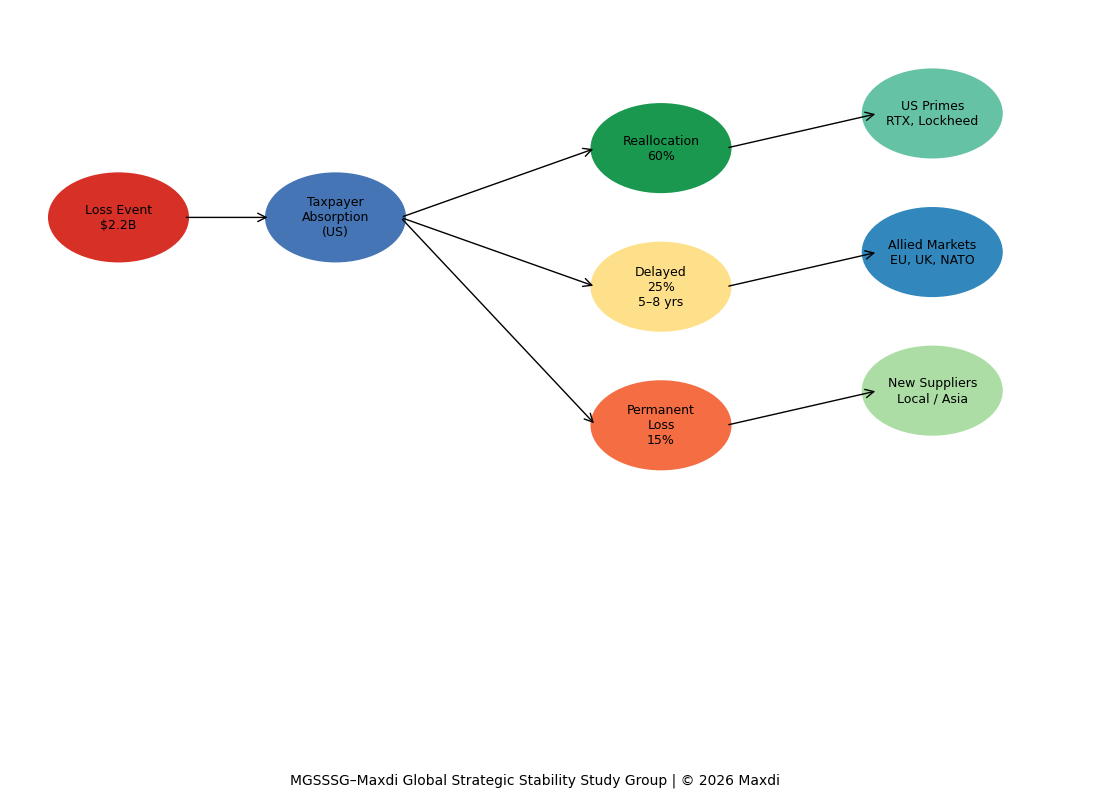
Defense Economics Model: Taxpayer Absorption & Leakage
A quantitative analysis of defense sector economics demonstrating that losses are not recycled in a closed loop, but instead follow a model of taxpayer absorption, partial reallocation, delayed replacement, and permanent loss. Using data including approximately $2.2B in immediate loss concentration, 5–8 year replacement timelines, and structural leakage dynamics, this study reframes how spending, capability restoration, and market shifts should be understood in modern defense systems.
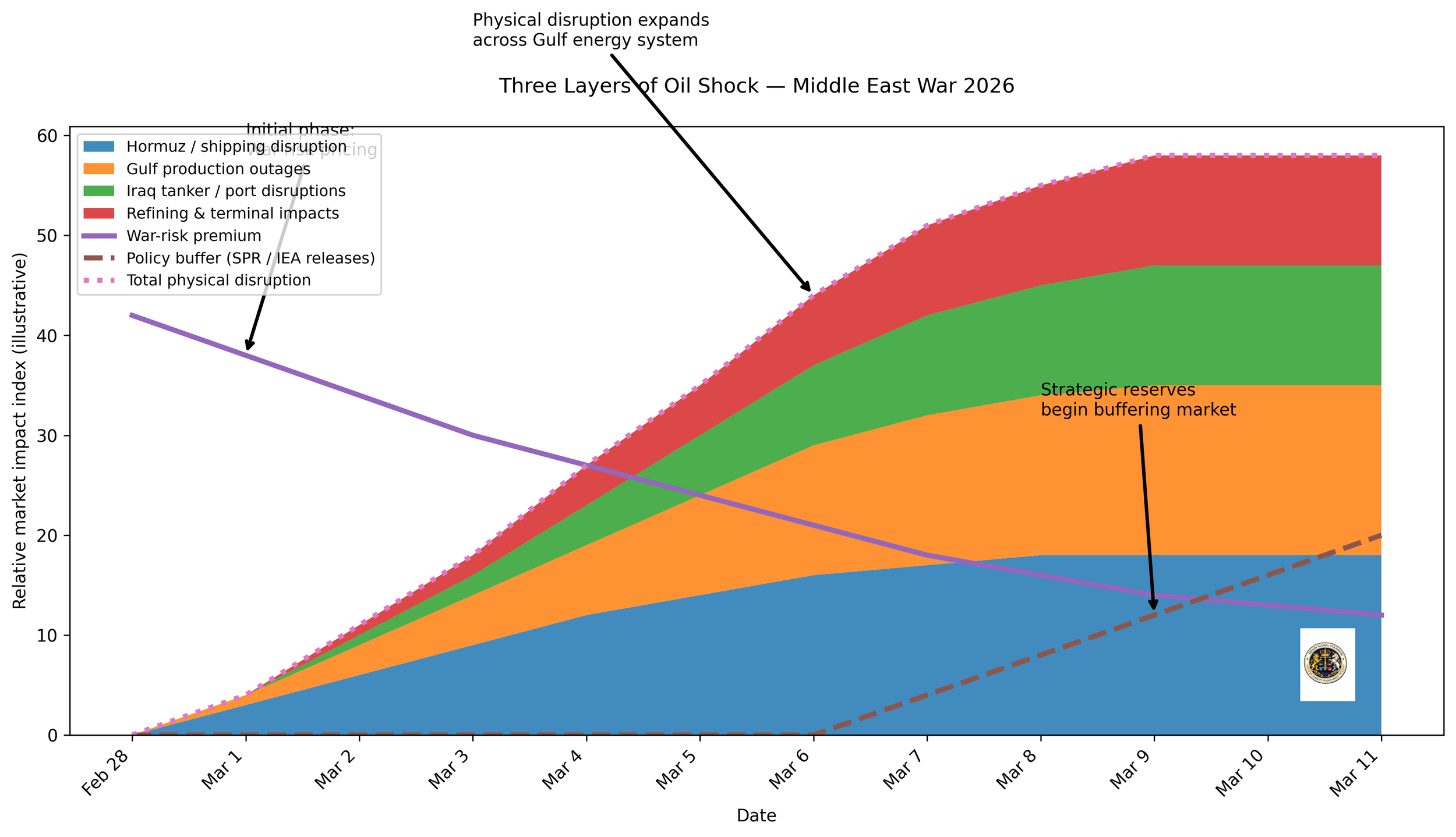
8 Figures That Visualize the Oil Shock of the 2026 Persian Gulf War
The 2026 conflict in the Persian Gulf has exposed structural vulnerabilities in the global energy system centered on the Strait of Hormuz. Nearly one fifth of global oil trade moves through this corridor, making it one of the most critical chokepoints in the world economy. This analysis uses eight figures to visualize how disruptions to Gulf production, tanker routes, and export infrastructure propagate through oil prices, inflation, and global financial conditions.
The Middle East War of 2026: A Coherence Stress Event in the Global Energy System
The Middle East War of 2026 is not a localized military confrontation. It is a stress event within the global energy system. Roughly one-fifth of globally traded crude oil moves through a region now under active military pressure. When that scale of throughput intersects with refinery vulnerability, asymmetric defense economics, and legislative contestation in Washington, the risk becomes systemic rather than episodic.
Markets are not pricing only missiles. They are pricing duration, governance clarity, and the sustainability of defense economics under saturation conditions. The decisive variable is not the opening strike. It is whether energy disruption, fiscal strain, and political uncertainty activate simultaneously. That is when volatility becomes structural.
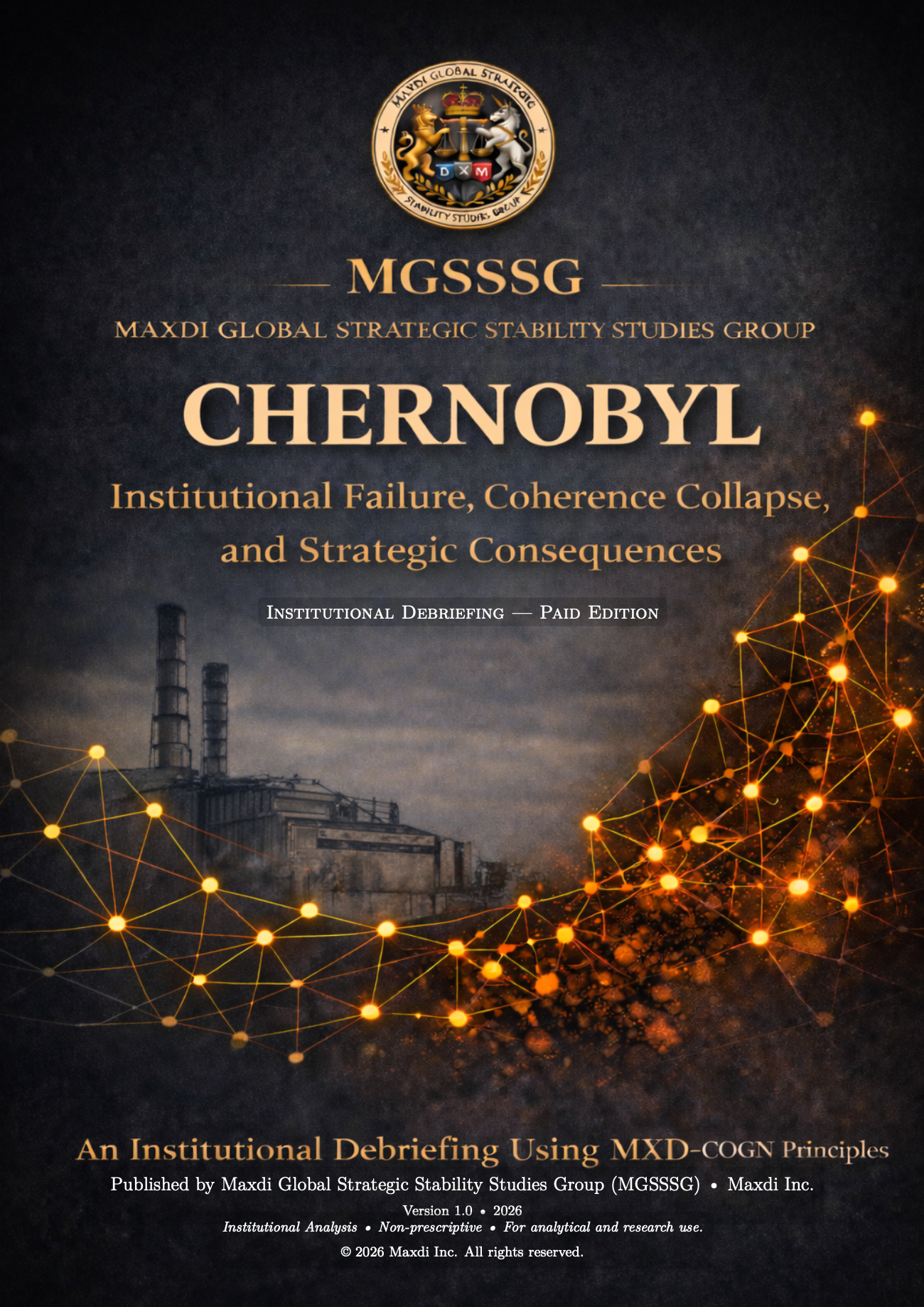
CHERNOBYL: Institutional Failure, Coherence Collapse, and Strategic Consequences
Chernobyl is often remembered as a reactor failure. In reality, it was a collapse of institutional coherence—where procedures, authority, and information failed faster than systems could adapt.
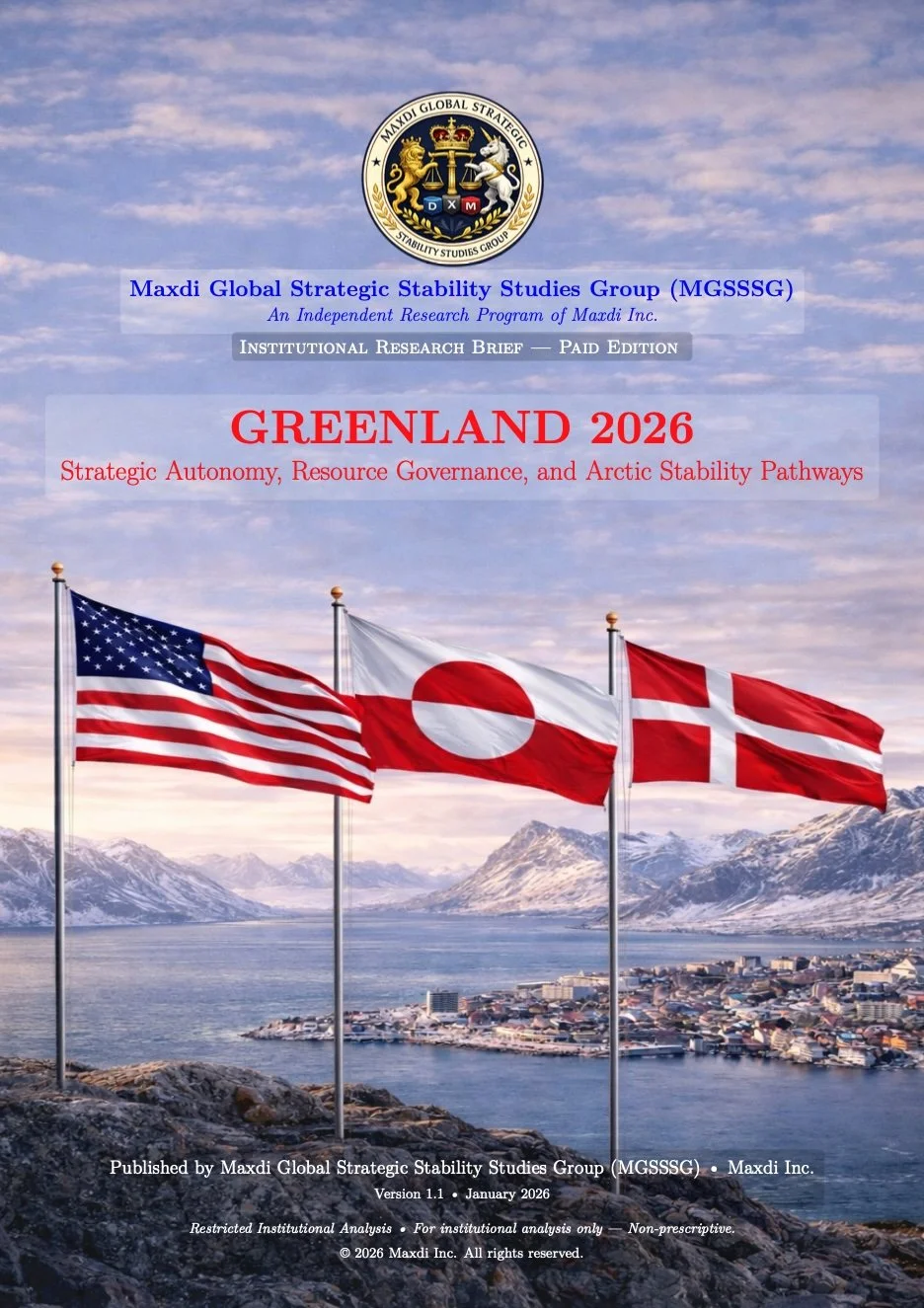
Greenland 2026: Strategic Stability in a Constrained Arctic Governance Environment
Greenland is often discussed through the lens of Arctic competition, but its strategic future is better understood as a question of long-term stability under institutional constraint. A new MGSSSG report applies coherence-engineering to map Greenland’s plausible strategic pathways without crisis assumptions.

Differential Equations in Engineering Fields: Why a Crash Course Still Matters
Differential equations are a core component of engineering education, yet they are often taught without clear connection to the advanced fields where they are later applied. Differential Equations in Engineering Fields is a compact crash course developed from intensive teaching experience between 2008 and 2010, focusing on the essential ODE tools used in systems, signals, RF and microwave engineering, and applied physics. The ebook emphasizes efficient solution methods, physical interpretation, and fully worked examples aligned with advanced engineering practice.

Advanced Engineering Mathematics: Toward a Coherent Mathematical Language for Modern Engineering
Engineering mathematics is often taught as a collection of isolated techniques rather than as a coherent language for reasoning about systems. Advanced Engineering Mathematics approaches the subject differently, presenting transform methods, complex analysis, and system theory as an integrated mathematical framework aligned with real engineering practice. Developed at Maxdi Research, the book emphasizes structural understanding over rote computation and reflects how engineers actually move between representations when analyzing signals, dynamics, and stability. This research-driven perspective reframes mathematics as an operational tool for modern electrical and computer engineering.
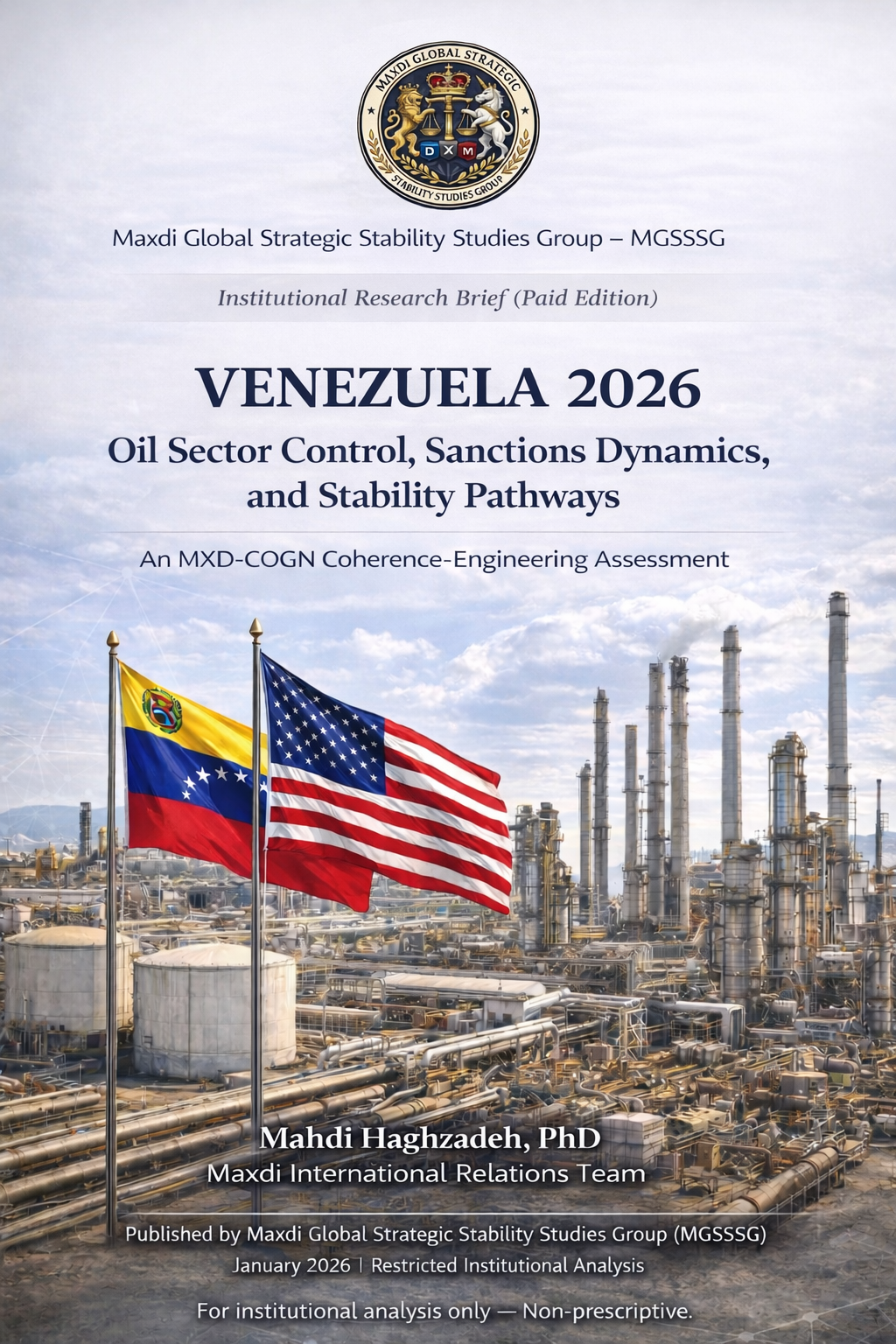
Venezuela 2026: Oil, Sanctions, and the Architecture of Instability
Venezuela 2026 is a paid institutional research brief published by the Maxdi Global Strategic Stability Studies Group (MGSSSG). The report applies the MXD-COGN coherence-engineering framework—integrated with a formal game-theoretic overlay—to analyze Venezuela’s 2026 instability environment across elite coordination, coercive execution, oil-based economic throughput, legitimacy, and external policy coupling.
Rather than offering narrative forecasts or policy prescriptions, the assessment identifies structural instability basins, high-κ interface sensitivities, and scenario families governing Venezuela’s near- and medium-term trajectories. Core focus areas include oil sector control and revenue governance, sanctions and licensing dynamics, elite–security coherence, civilian welfare implications, and regional spillover risks. The report is intended for institutional analysis, strategic monitoring, and scenario conditioning under contested information environments.
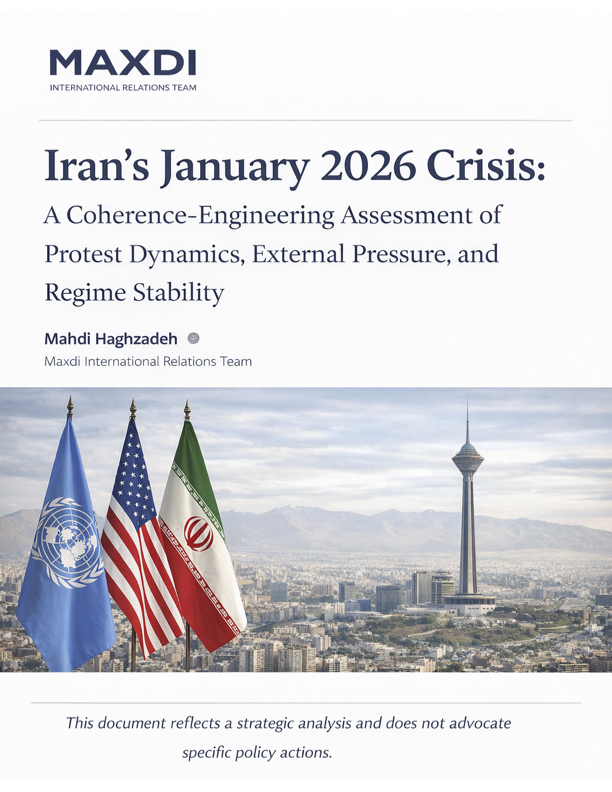
Preventing a Regional Catastrophe: Risk, Restraint, and Diplomatic Pathways in the Iran Crisis
Iran’s January 2026 crisis represents not a moment of imminent collapse, but a phase of systemic coherence decay under sustained external pressure and internal governance constraints. Using the MXD-COGN framework, this analysis examines how sanctions, economic stress, ideology, and regional dynamics interact to increase escalation risk—while identifying restraint-based diplomatic pathways capable of preventing a wider regional catastrophe.
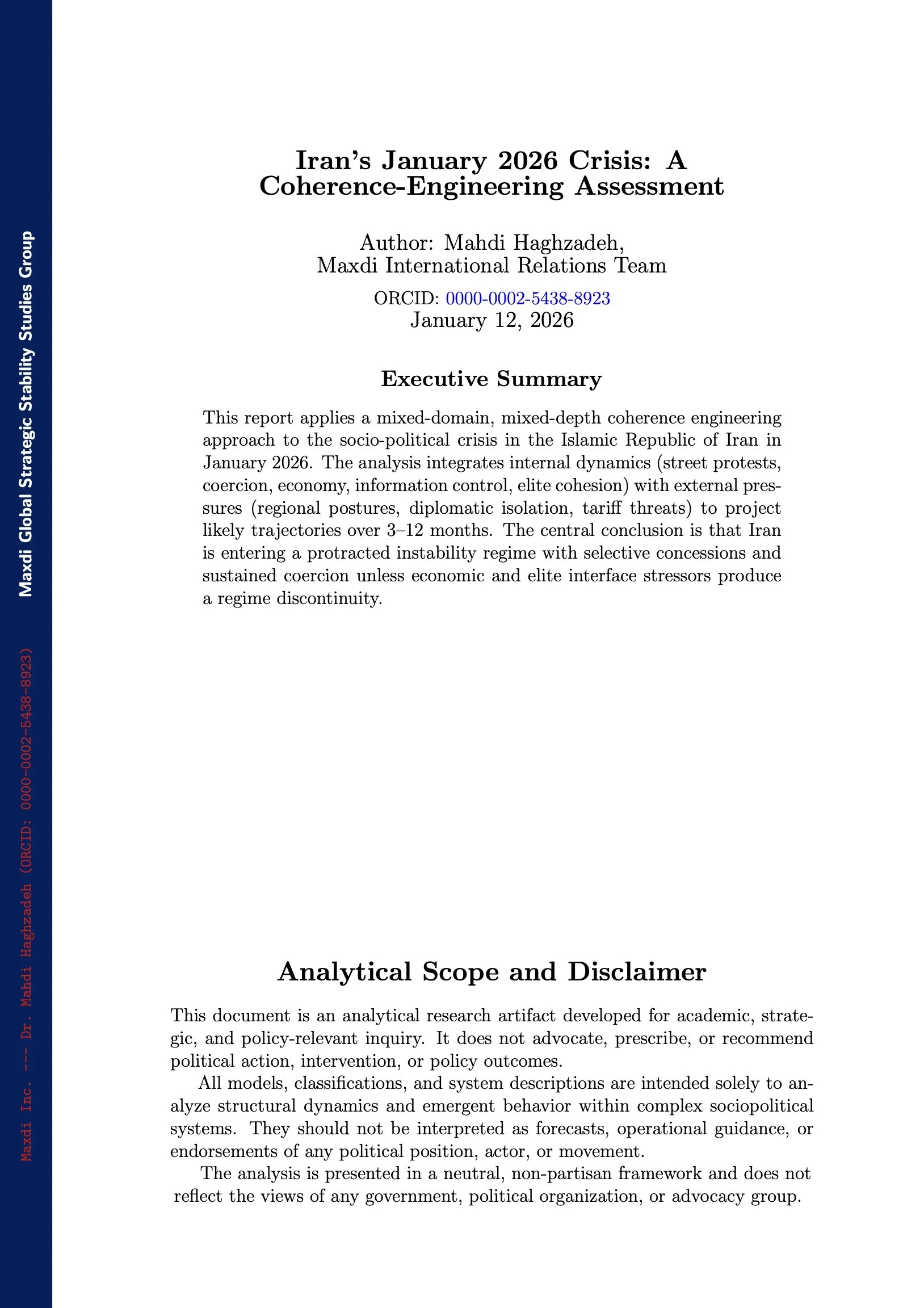
Reflections on Iran’s January 2026 Crisis
Iran’s January 2026 crisis cannot be understood through protest counts, headlines, or political rhetoric alone. It reflects a deeper structural condition in which information control, economic stress, institutional alignment, and external pressure interact in complex, non-linear ways. This public brief applies a systems-based stability framework to examine how coherence within political systems degrades, adapts, or transitions under sustained stress. Rather than offering predictions or prescriptions, the analysis provides a neutral structural lens for interpreting prolonged instability in modern governance environments.
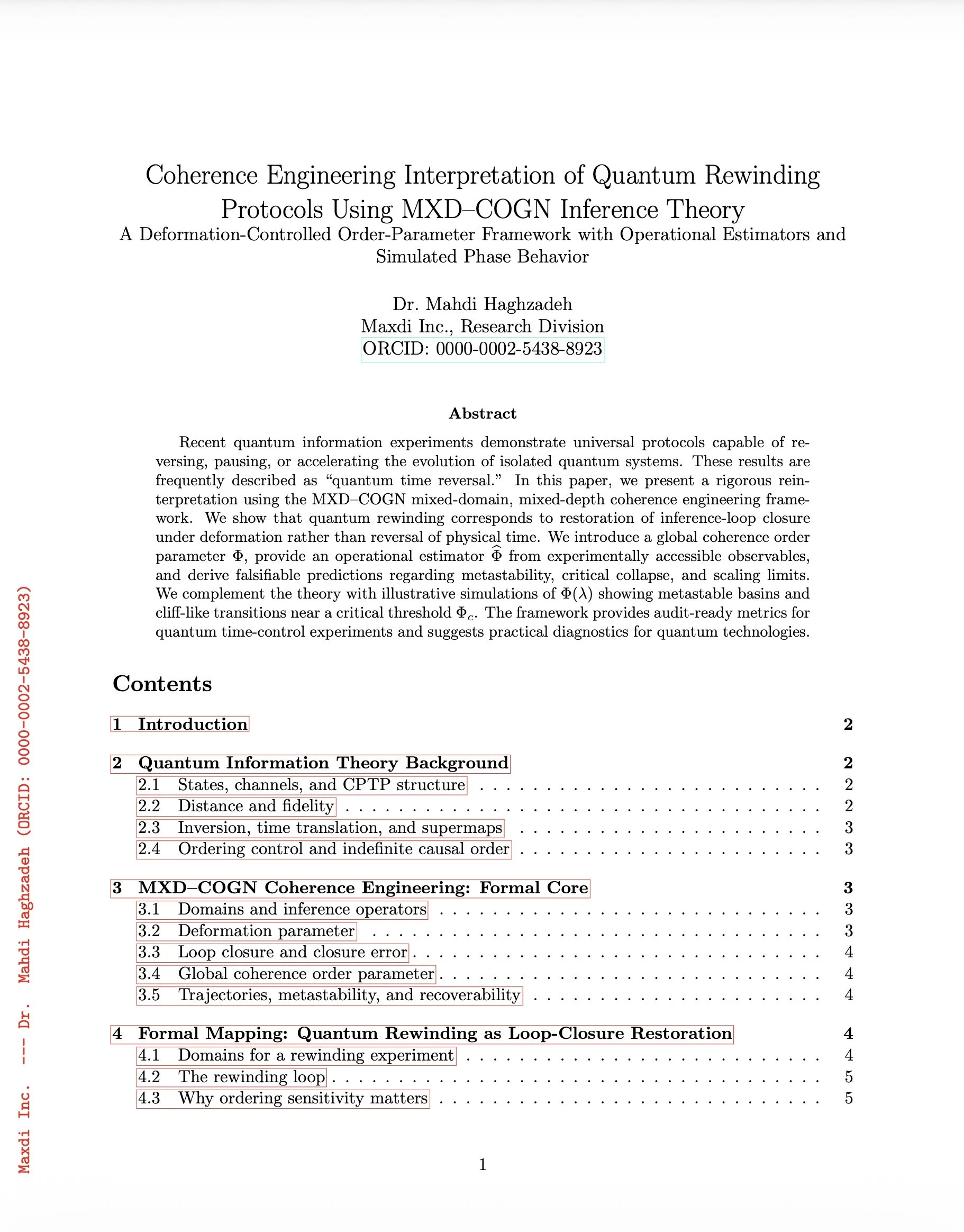
Coherence Engineering Interpretation of Quantum Rewinding
Recent quantum experiments capable of reversing, pausing, or accelerating isolated quantum system evolution are often described as “quantum time reversal.” In this paper, Coherence Engineering Interpretation of Quantum Rewinding, Dr. Mahdi Haghzadeh reframes these protocols not as literal time reversal but as processes of restoring coherence across inference pathways. Using the MXD-COGN framework, this research introduces a global coherence order parameter, offers operational estimators accessible from experimental observables, and explains why quantum rewinding succeeds under ideal conditions yet fails at scale. The framework provides new diagnostics for coherence loss and insights relevant to quantum technologies, error correction, and control design.

Announcing the Release of MXD-COGN: A Theory of Mixed-Domain, Mixed-Depth Cognition
MXD-COGN introduces a formal theory of mixed-domain, mixed-depth cognition, treating inference as an executable, geometric process governed by deformation and coherence. This work establishes the mathematical foundation of coherence engineering and defines Cogn-Tex™, a theoretical processing design kit for reasoning about stability, collapse, and early warning in complex systems.
Services: Simulation modeling analysis of electronics devices and systems.
Development: integration of hardware and software for RF/MW, Radar, telecommunications, quantum computing and photonics.
SW Products: EdFS — Electronics Design-flow Studio for Graph-native execution (ports + edges + topo sort), RF/MW + inference co-simulation, MXD Disk (inference-space analogue of Smith chart), Deterministic regression and baseline blessing and Offline-first, air-gapped friendly.
https://www.linkedin.com/company/maxdi-inc
https://www.linkedin.com/company/81940186
https://maxdi.com
https://cognitave.com
https://www.LinkedIn.com/in/maxdi
https://v3xoy.com
emails: >> mxd@maxdi.com | art@maxdi.com | law@maxdi.com | tex@cognitave.com | mxdvxoy@gmail.com